







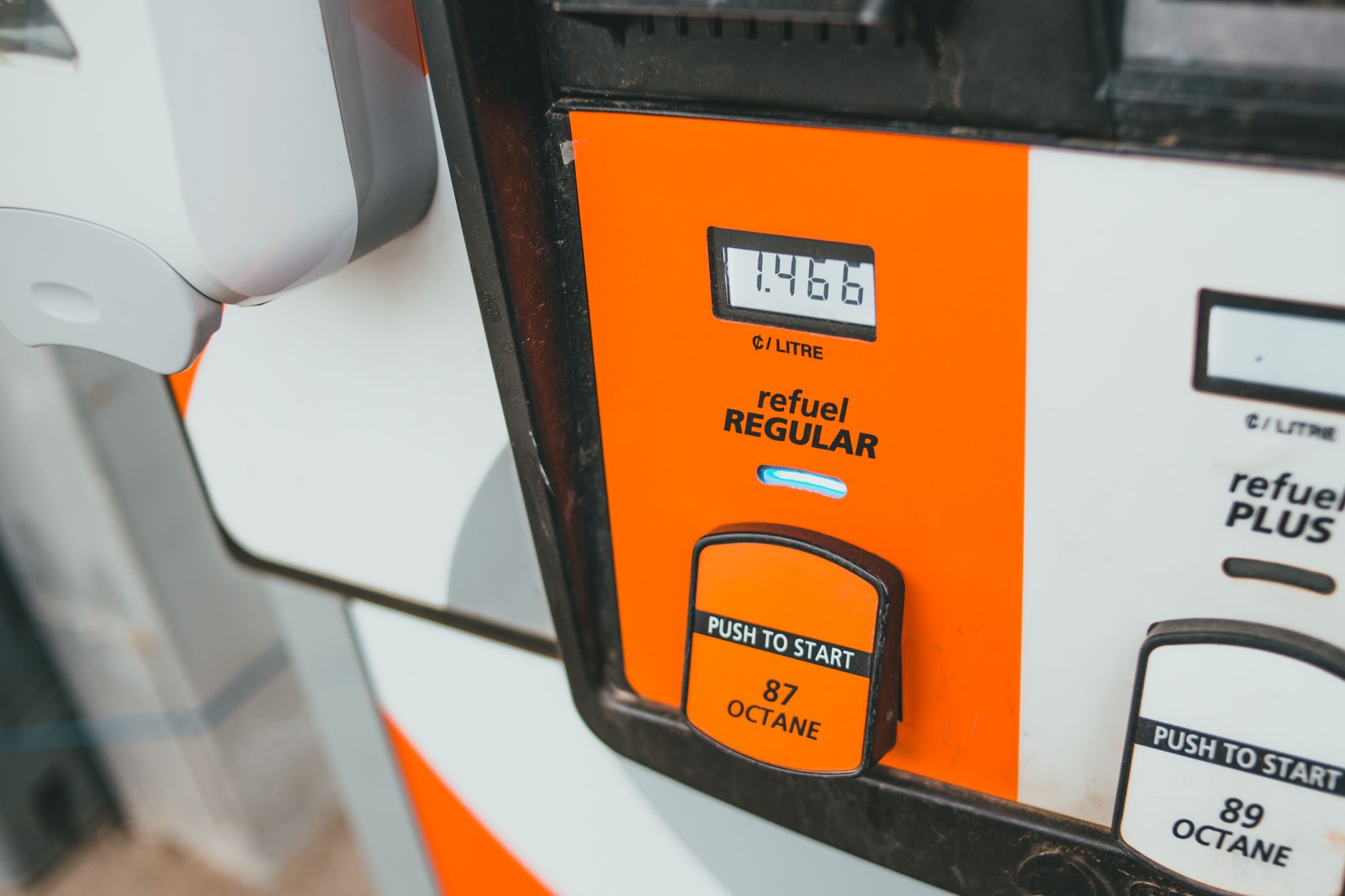
Rising LPG fuel prices are becoming a significant concern for many households. With increasing costs, families are feeling the financial strain as essential expenses continue to rise.
Current Trends in Fuel Prices
Recent trends indicate a significant increase in fuel prices, particularly in the case of liquefied petroleum gas (LPG). As families across the country grapple with these rising LPG fuel prices, many are feeling the financial strain. The ongoing inflationary pressures coupled with supply chain disruptions have exacerbated the situation, leading to heightened costs for essential commodities.
The impact of these rising prices is multifaceted, affecting various aspects of daily life:
- Household budgets: Families are forced to allocate more of their income towards fuel expenses, leaving less for other necessities.
- Food costs: The rise in LPG prices has a direct correlation with cooking gas costs, which in turn affects food prices.
- Transportation: Increased fuel prices lead to higher transportation costs, impacting both personal and public transport.
The UP Congress chief recently criticized both the central and state governments for their failure to control these prices, emphasizing the urgent need for intervention to protect families from the burden of rising LPG fuel prices.
Impact of Rising Costs on Households
The impact of rising LPG fuel prices is becoming increasingly evident for many households across the country. Families are feeling the pressure as their monthly budgets are strained by the escalating costs of essential commodities.
Many households, especially those on fixed incomes, are facing difficult choices. As LPG prices continue to rise, families are adjusting their spending in various ways:
- Reducing Cooking Frequency: Some families are opting to cook less frequently, relying more on ready-to-eat meals or dining out.
- Switching Fuel Sources: A number of households are exploring alternative cooking methods, such as electric stoves or using firewood, despite the associated health risks.
- Cutting Back on Other Essentials: Families are prioritizing LPG over other necessary expenditures, which may lead to a decrease in spending on education or healthcare.
As the financial burden intensifies, many are calling on the government to take immediate action to alleviate the strain of rising LPG fuel prices on ordinary citizens.
Government Response to Price Increases
In response to the ongoing rising LPG fuel prices, the government has implemented several measures aimed at alleviating the burden on households. Many families across the nation are feeling the pinch as the cost of living continues to rise. The government has acknowledged this challenge and is taking steps to mitigate its effects.
Among the measures proposed are:
- Subsidies: Increased financial assistance for low-income households to help cover the costs of LPG fuel.
- Price Regulation: Discussions on capping the price of LPG to ensure it remains affordable for the average family.
- Awareness Campaigns: Programs to educate consumers about efficient fuel usage and alternative energy sources.
Officials have urged citizens to remain patient as they work through these initiatives. The UP Congress chief has criticized both the central and state governments for their handling of this situation, highlighting the urgent need for effective solutions to combat the rising LPG fuel prices and protect vulnerable families.
Public Sentiment on Fuel and Food Prices
As the rising LPG fuel prices continue to affect households, public sentiment has shifted significantly. Many families express concern over the increasing cost of living, which is exacerbated by higher fuel and food prices. This has sparked widespread discussions across various platforms, including social media and community forums.
Residents are voicing their frustrations, highlighting the impact on their monthly budgets. A recent survey indicated that:
- Over 70% of families report cutting back on essential expenses.
- Many are opting for less expensive food options, leading to concerns about nutritional quality.
- There is a growing demand for government intervention to stabilize prices.
Local leaders and activists are calling for accountability from both state and central governments. They emphasize the necessity for transparent policies that address the challenges posed by the rising costs. The prevailing sentiment suggests that unless action is taken, families will continue to bear the brunt of these economic pressures, with lasting implications for their well-being.
Future Predictions for LPG and Fuel Costs
As families continue to grapple with the implications of rising LPG fuel prices, experts are closely monitoring the market for future predictions. Many analysts believe that the upward trend in fuel costs may persist due to a variety of factors.
Firstly, global demand for energy is anticipated to increase as economies recover from the pandemic, which could further drive up prices. Additionally, geopolitical tensions in oil-producing regions may create volatility in supply, contributing to sustained higher costs.
Moreover, the transition to renewable energy sources could also impact LPG prices. As governments push for greener alternatives, traditional fuel sources may see fluctuating demand, resulting in unpredictable pricing.
Families are advised to prepare for potential increases in their monthly budgets due to rising LPG fuel prices. In response, many are exploring energy-efficient appliances or considering alternative cooking methods to mitigate the financial burden.
Ultimately, while the future remains uncertain, the implications of these trends are likely to be felt by households across the nation.
Photo by Erik Mclean on Pexels
Sources
Is the Abu Dhabi Red Sea Service a Smart Travel Choice? · Jaypee Infratech Investment: A Smart Move for Real Estate · YouTube Account Lock Feature: A Simple Way to Enhance Privacy