
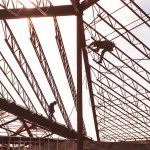




The Bangalore Cantonment Railway project has sparked controversy as activists question the felling of trees. This development has led to a heated debate about environmental impact and urban infrastructure needs.
Background of the Bangalore Cantonment Railway Project
The Bangalore Cantonment Railway Project has been a topic of significant discussion among local communities and environmental activists. Announced as part of a broader initiative to enhance urban transportation, the project aims to modernize the railway infrastructure in the Bangalore Cantonment area. However, the implementation has raised concerns regarding its environmental impact.
One of the primary issues highlighted by activists is the potential felling of trees to facilitate the construction. Environmentalists argue that the removal of mature trees could lead to increased air pollution and a loss of biodiversity in the region. They emphasize that urban greenery plays a crucial role in maintaining ecological balance and supporting wildlife.
Furthermore, locals express worries about the project’s overall safety and its feasibility given the densely populated nature of the area. Many residents fear that the infrastructure changes may lead to traffic congestion and additional noise pollution, further disrupting their daily lives.
As discussions continue, stakeholders are urged to consider sustainable alternatives that would allow for urban development while preserving the environment, ensuring that the Bangalore Cantonment Railway Project fulfills its objectives without compromising ecological integrity.
Environmental Concerns Raised by Activists
Environmental activists have raised significant concerns regarding the Bangalore Cantonment Railway project, particularly focusing on the potential ecological impact of tree felling. The proposed route for the railway expansion requires the removal of hundreds of mature trees, leading to fears about the loss of biodiversity and the disruption of local ecosystems.
Activists argue that the removal of these trees not only affects wildlife habitats but also contributes to urban heat, air pollution, and the overall climate crisis. They emphasize the importance of preserving green spaces in urban areas, especially in cities like Bangalore, which are already facing severe environmental challenges.
In response to these concerns, several organizations have called for a reassessment of the project. They suggest that alternative routes or methods of construction could be explored to minimize environmental damage.
Many community members are joining the cause, voicing their opinions at public forums and online petitions. Local residents have expressed a desire for sustainable development that prioritizes the health of the environment while also considering the necessity of improved transportation infrastructure.
The ongoing debate raises critical questions about the balance between progress and preservation in urban development.
Impact of Tree Felling on Local Ecosystem
The Bangalore Cantonment Railway project has sparked significant concern regarding its impact on the local ecosystem, particularly due to the planned felling of trees. Environmental activists argue that the removal of these trees could lead to severe ecological consequences, affecting not only the flora but also the fauna that rely on these habitats for survival.
Trees play a critical role in maintaining the ecological balance, providing oxygen, improving air quality, and supporting biodiversity. The area surrounding the railway project is home to various species, many of which are already facing threats from urbanization.
Activists have highlighted the following potential impacts of tree felling:
- Loss of Habitat: The removal of trees could displace numerous bird and animal species.
- Increased Urban Heat: Fewer trees may lead to higher temperatures in the surrounding areas.
- Soil Erosion: Without tree roots to hold the soil, erosion may become a serious issue, especially during rains.
- Carbon Footprint: Trees act as carbon sinks; their removal could increase greenhouse gas emissions.
Overall, the long-term ecological ramifications of the Bangalore Cantonment Railway project must be carefully considered against the benefits of its development.
Government’s Response to Activist Concerns
The Bangalore Cantonment Railway project has sparked significant debate, prompting government officials to address concerns raised by environmental activists. In a recent statement, the government emphasized its commitment to balancing infrastructure development with ecological preservation.
Officials outlined several measures aimed at mitigating the environmental impact of the project, which includes the felling of trees in the area. They highlighted the following points:
- Reforestation Efforts: The government plans to initiate reforestation programs to compensate for the loss of trees, ensuring that new saplings are planted in nearby areas.
- Infrastructure Upgrades: Officials argue that the Bangalore Cantonment Railway project will ultimately improve public transportation, reducing vehicle emissions and congestion in the long run.
- Engagement with Experts: The government has pledged to consult environmental experts to assess the project’s impact and implement additional safeguards as necessary.
Despite these assurances, activists remain skeptical, advocating for a thorough environmental assessment before any tree felling occurs. They argue that the long-term ecological health of the Bangalore Cantonment area should not be compromised for short-term gains.
Future of Urban Development in Bangalore
The Bangalore Cantonment Railway Project is poised to significantly influence the urban landscape of the city. As Bangalore continues to expand, the demand for efficient public transport has never been greater. However, this project raises questions about the balance between development and environmental preservation.
Urban planners suggest that the railway project could lead to:
- Improved Connectivity: Enhanced transport links may reduce congestion and travel times across the city.
- Economic Growth: The project is anticipated to stimulate local businesses and create job opportunities in the area.
- Urban Density Management: It may encourage more structured urban growth, preventing unplanned sprawl.
On the other hand, critics argue that the potential benefits do not justify the ecological costs. As trees are cut down, the local ecosystem is endangered, which could lead to long-term repercussions for biodiversity and air quality. Policymakers must consider these factors carefully to ensure that the Bangalore Cantonment Railway Project aligns with sustainable urban development goals.
Ultimately, the success of this initiative will depend on how well it balances infrastructural needs with the preservation of Bangalore’s natural heritage.
Balancing Infrastructure and Environmental Needs
The Bangalore Cantonment Railway project has sparked a significant debate about the balance between necessary infrastructure development and the preservation of the environment. Proponents argue that enhancing the railway network is essential for improving connectivity and reducing traffic congestion in the bustling city.
However, environmental activists caution that the rapid urbanization associated with such projects often comes at a steep cost to local ecosystems. They emphasize that the felling of trees not only harms wildlife habitats but also contributes to increased air pollution and climate change effects. The removal of green cover in urban areas can exacerbate heat island effects, leading to higher temperatures.
In response, city planners and government officials assert that they are committed to sustainable practices. They propose measures such as:
- Replanting trees in other areas
- Implementing green corridors
- Utilizing eco-friendly construction methods
As discussions continue, it is clear that finding a compromise between the Bangalore Cantonment Railway project and environmental preservation will be crucial for the city’s future. Engaging multiple stakeholders may lead to solutions that satisfy both infrastructural needs and ecological responsibilities.
Sources
Artefact Projects financials: Is it the best decision for investors? · Reusable Launch Vehicle: The Right Investment for Future · Stamp Duty Promise: Clear Insights on Recent Rulings