


Marketing works best when a strong idea is presented in a way that people can easily notice, understand, and remember. From promotional campaigns and business launches to seasonal advertising and customer outreach, printing services can transform creative concepts into professional materials that support brand communication. Well-produced print products combine design, useful information, and visual appeal, giving businesses a practical way to present their marketing messages across different environments.
Contents
- How can printed materials support modern marketing?
- Which marketing materials can businesses create through professional printing?
- Why does print design matter in marketing?
- What role do statistics play in understanding print marketing?
- Can printed marketing materials help small businesses?
- How can print strengthen promotional campaigns?
- What makes brochures useful for marketing communication?
- How do posters and signs attract attention?
- Can print materials support brand consistency?
- How should businesses choose the right print format?
- Why is professional print quality important?
- How can businesses make print campaigns more engaging?
- Conclusion
How can printed materials support modern marketing?
Printed materials can add a physical dimension to marketing campaigns. While digital advertising reaches audiences through screens, print gives customers something tangible to view, hold, and keep. Brochures, postcards, flyers, posters, catalogs, and promotional cards can communicate important information while reinforcing a brand’s visual identity.
When print and digital campaigns are designed around the same message, businesses can create a consistent customer experience across multiple channels.
Which marketing materials can businesses create through professional printing?
Businesses have many options depending on their campaign goals. Common materials include brochures, business cards, flyers, postcards, posters, catalogs, presentation folders, event handouts, menus, product sheets, and branded signage.
Each format serves a different communication purpose. A brochure can provide detailed information, while a postcard can deliver a concise promotional message. Posters can attract attention in high-traffic areas, and product sheets can present important features in an organized format.
Why does print design matter in marketing?
Design determines how quickly an audience can recognize and understand a printed message. A strong design can organize information, highlight important details, and create a professional appearance.
Consistent use of brand colors, fonts, logos, photography, and messaging can also help create visual familiarity. When several marketing materials share the same design language, customers can more easily connect individual pieces with the same business.
What role do statistics play in understanding print marketing?
Marketing statistics provide useful insight into how audiences respond to different communication formats. Research across the advertising industry has continued to explore areas such as print engagement, direct-mail response, physical brand interaction, and customer retention.
These findings demonstrate why businesses continue to consider print as part of broader marketing strategies. Instead of treating print and digital communication as competing methods, many campaigns use both formats to create several opportunities for customers to interact with a brand.
Can printed marketing materials help small businesses?
Printed materials can be particularly useful for small businesses that want to establish a professional presence within their local communities. Business cards, flyers, menus, postcards, promotional brochures, and posters can introduce services and offers directly to potential customers.
A carefully designed printed piece can also support networking opportunities. Customers, partners, and prospects can keep useful materials for future reference, extending the visibility of the business beyond the initial interaction.
How can print strengthen promotional campaigns?
Promotional campaigns often depend on clear messaging and repeated brand exposure. Printed materials can support this process by presenting offers, product information, event details, or seasonal messages in a convenient format.
For example, a coordinated campaign might use posters to create awareness, flyers to explain an offer, and postcards to encourage customers to take action. Keeping the visual style consistent across these materials can make the campaign appear organized and recognizable.
What makes brochures useful for marketing communication?
Brochures provide space for businesses to explain their products, services, advantages, and key information in a structured format. They can combine headlines, images, short descriptions, contact details, and calls to action.
Because brochures can contain more information than smaller promotional pieces, they are useful for industries where customers need additional details before making a decision. Their physical format also makes them convenient for meetings, events, exhibitions, and customer visits.
How do posters and signs attract attention?
Posters and signs are designed to communicate messages from a distance. Effective layouts use strong headlines, clear typography, appealing imagery, and concise information.
Their visibility makes them suitable for retail environments, offices, community spaces, promotional events, exhibitions, and other locations where audiences move through shared spaces. Strategic placement can help ensure that the intended audience notices the message at the right moment.
Can print materials support brand consistency?
Absolutely. Consistency is an important part of professional brand communication. When business cards, brochures, flyers, packaging inserts, signage, and promotional materials use related visual elements, they create a unified brand presentation.
This consistency can make marketing campaigns easier to recognize and can give customers a more organized impression of the business. It also allows individual printed materials to work together as part of a larger communication strategy.
How should businesses choose the right print format?
The best format depends on the marketing objective, audience, distribution method, and amount of information required. A compact card may work well for contact details, while a brochure may be more suitable for detailed service information.
Businesses should also consider where the material will be displayed or distributed. Indoor signage, direct-mail pieces, event handouts, retail posters, and sales materials each have different practical requirements.
Why is professional print quality important?
Quality production can enhance the appearance of marketing materials and support a polished brand image. Clear text, sharp graphics, balanced colors, suitable paper, and professional finishing can make promotional materials more appealing and easier to use.
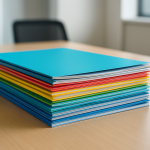
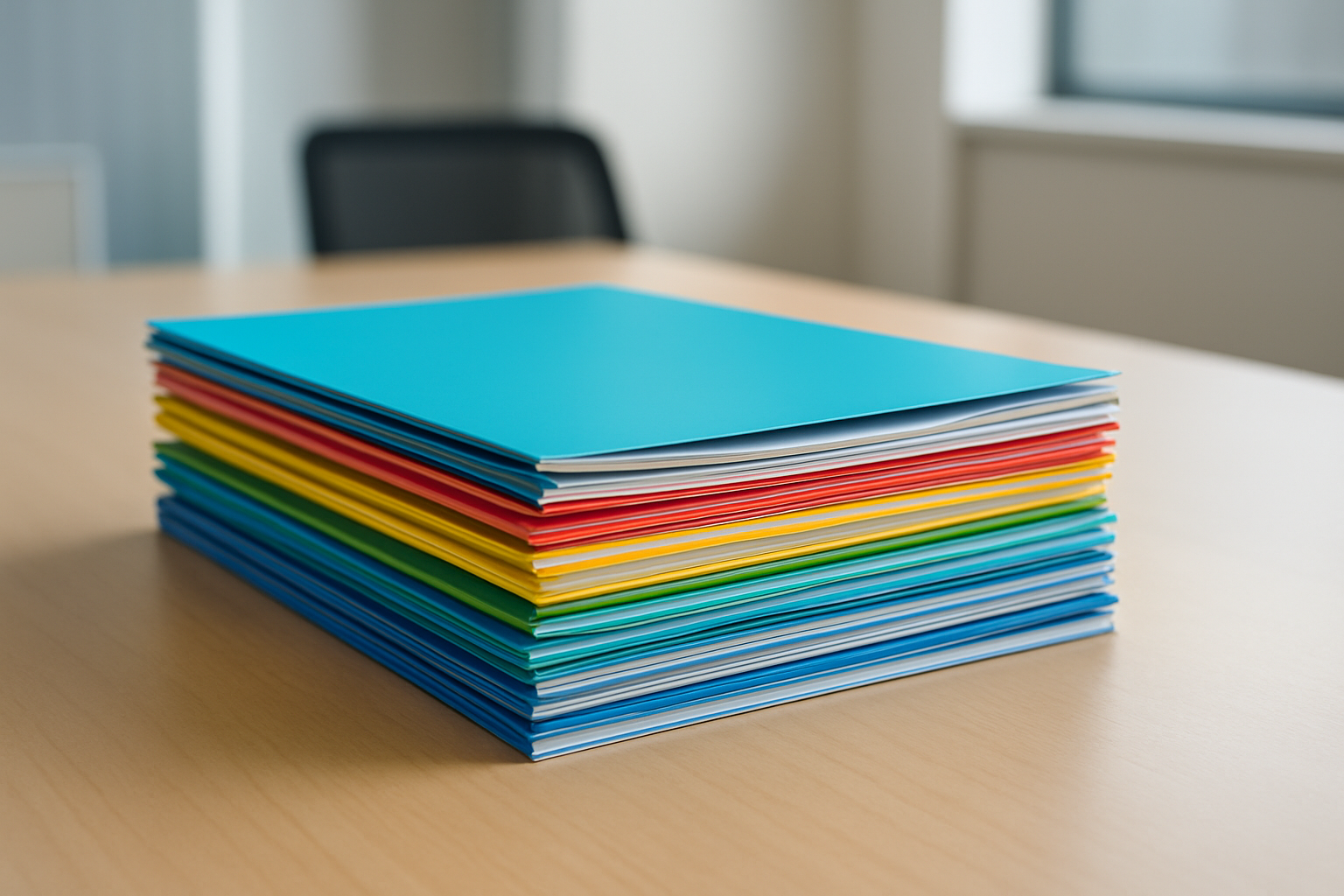
Quality is particularly important when printed products represent a business directly. A carefully produced brochure or presentation folder can complement the professionalism of the message it contains.
How can businesses make print campaigns more engaging?
Engaging print campaigns usually focus on a clear message rather than overwhelming the audience with information. Strong headlines, useful visuals, concise copy, and prominent calls to action can guide readers through the material.
Personalization can also add value. Customer names, location-specific offers, seasonal themes, or targeted messages can make printed communication feel more relevant to its intended audience.
Conclusion
Printing can turn marketing concepts into tangible brand experiences that customers can see, read, hold, and remember. From brochures and flyers to posters, postcards, business cards, and promotional displays, professionally produced materials can support awareness, communication, and brand consistency. When thoughtful design is combined with suitable formats and quality production, print becomes a valuable part of a modern marketing strategy, helping creative ideas move from the planning stage into real-world customer experiences.
The Short Version
- Marketing effectiveness improves when strong ideas are presented through easily noticeable, understandable, and memorable formats.
- Printed materials like brochures, flyers, and business cards provide a physical dimension to marketing campaigns, allowing customers to interact with brands tangibly.
- Consistent design across printed materials helps create visual familiarity and connects various marketing efforts for a cohesive brand identity.
- Statistics show that print engagement and direct-mail response continue to play significant roles in effective marketing strategies.
- Brochures are valuable for conveying detailed information and are particularly useful in industries where consumers need comprehensive insights before making decisions.