






Driverless trains Sector V are set to transform urban commuting as PM Modi prepares for the inauguration on November 21. This new innovation promises enhanced safety and efficiency.
What to Expect from Driverless Trains in Sector V
The introduction of driverless trains in Sector V marks a significant leap in urban transportation. Residents and commuters can anticipate a range of benefits that come with this advanced technology.
- Enhanced Safety: With automated systems, driverless trains are designed to reduce human error, offering a safer travel experience for passengers.
- Increased Efficiency: These trains are programmed to optimize travel times and schedules, leading to fewer delays and more reliable service.
- Environmental Impact: The use of electric driverless trains will contribute to reduced emissions, aligning with sustainability goals and promoting cleaner air in the region.
- User-Friendly Technology: Passengers can expect innovations such as real-time updates and smart ticketing systems, making their journeys more convenient.
As the launch date approaches, anticipation builds among the residents of Sector V. The potential inauguration by PM Modi on November 21 will not only highlight technological advancements but also showcase the commitment to modernizing public transport. With driverless trains set to transform the commute, the future looks promising for urban mobility.
PM Modi’s Role in the Inauguration
Prime Minister Narendra Modi is set to play a pivotal role in the inauguration of the much-anticipated driverless trains in Sector V. This event, scheduled for November 21, marks a significant milestone in the evolution of urban transportation in the region.
The introduction of these advanced trains is expected to enhance the efficiency and safety of public transit. During the inauguration, PM Modi will emphasize the importance of technological advancements in improving city infrastructure. His presence underscores the government’s commitment to innovation and modernization in public transport systems.
Key features of the driverless trains include:
- Advanced automation technology that ensures smooth and safe operations.
- Real-time monitoring systems to enhance safety measures.
- Environmental benefits, with reduced emissions compared to traditional trains.
Moreover, the driverless trains in Sector V are part of a broader initiative aimed at integrating smart technologies into urban transit networks. This move not only reflects India’s aspirations for modernization but also aligns with global trends towards smart cities. As the launch date approaches, excitement is building among residents and commuters alike.
Benefits of Driverless Trains for Commuters
The introduction of driverless trains in Sector V promises a multitude of benefits for commuters, revolutionizing the daily travel experience. These automated systems are designed to enhance safety, efficiency, and overall convenience.
- Increased Safety: Driverless trains are equipped with advanced technology that minimizes human error, significantly reducing the risk of accidents.
- Efficiency: With precise scheduling and real-time monitoring, these trains can operate with optimal frequency, reducing wait times and improving the overall flow of passengers.
- Cost-Effectiveness: Automating train operations can lead to lower operational costs, which may translate into reduced fares for commuters in the long run.
- Environmental Benefits: Driverless trains are often powered by electricity and are designed to be more energy-efficient, contributing to lower carbon emissions and a greener urban environment.
- Enhanced Comfort: Modern driverless trains are designed with passenger comfort in mind, featuring spacious interiors and advanced climate control systems.
Overall, the introduction of driverless trains in Sector V is set to create a safer and smarter transportation system for all commuters.
Challenges Ahead for the Orange Line
Despite the excitement surrounding the introduction of driverless trains in Sector V, several challenges lie ahead for the Orange Line. As the technology advances, ensuring the safety and reliability of these autonomous systems remains a top priority.
One of the primary concerns is the integration of driverless trains within the existing transportation infrastructure. This includes:
- Signal Coordination: The need for seamless communication between trains and track systems to prevent any potential accidents.
- Emergency Protocols: Developing effective responses in case of system failures or emergencies is crucial to maintain rider safety.
- Public Perception: Gaining the trust of commuters who may be hesitant to embrace this new technology.
Furthermore, the implementation process must address the training of maintenance personnel and ensuring that all staff are well-versed in operating and troubleshooting these advanced systems. As the launch date approaches, stakeholders are focused on overcoming these hurdles to realize the full potential of driverless trains in Sector V.
Future of Urban Transport in India
The emergence of driverless trains Sector V marks a pivotal shift in the future of urban transport in India. As cities grapple with increasing populations and traffic congestion, innovative solutions are essential for sustainable development. Driverless trains are not only a leap forward in technology but also signify a commitment to safer and more efficient public transport systems.
These autonomous trains are designed to enhance the overall travel experience, providing punctuality and reliability. With advanced monitoring systems and real-time data analytics, they promise to reduce delays and improve safety for commuters. As cities like Kolkata embrace this technology, they set a precedent for other urban areas across the nation to follow.
Moreover, the introduction of driverless trains will likely lead to a decrease in operational costs, allowing for more investment in infrastructure and services. This shift could also foster economic growth, generating jobs in technology and maintenance sectors while encouraging a cultural shift towards public transport usage.
As India steps into this new era of transport, the focus will be on how these innovations can adapt and evolve to meet the needs of its citizens, making travel safer, smarter, and more accessible.
The implementation of driverless trains Sector V is set to revolutionize urban transport by enhancing safety and efficiency. With advanced technology, driverless trains Sector V will provide a reliable solution to the growing demand for smart transportation systems.
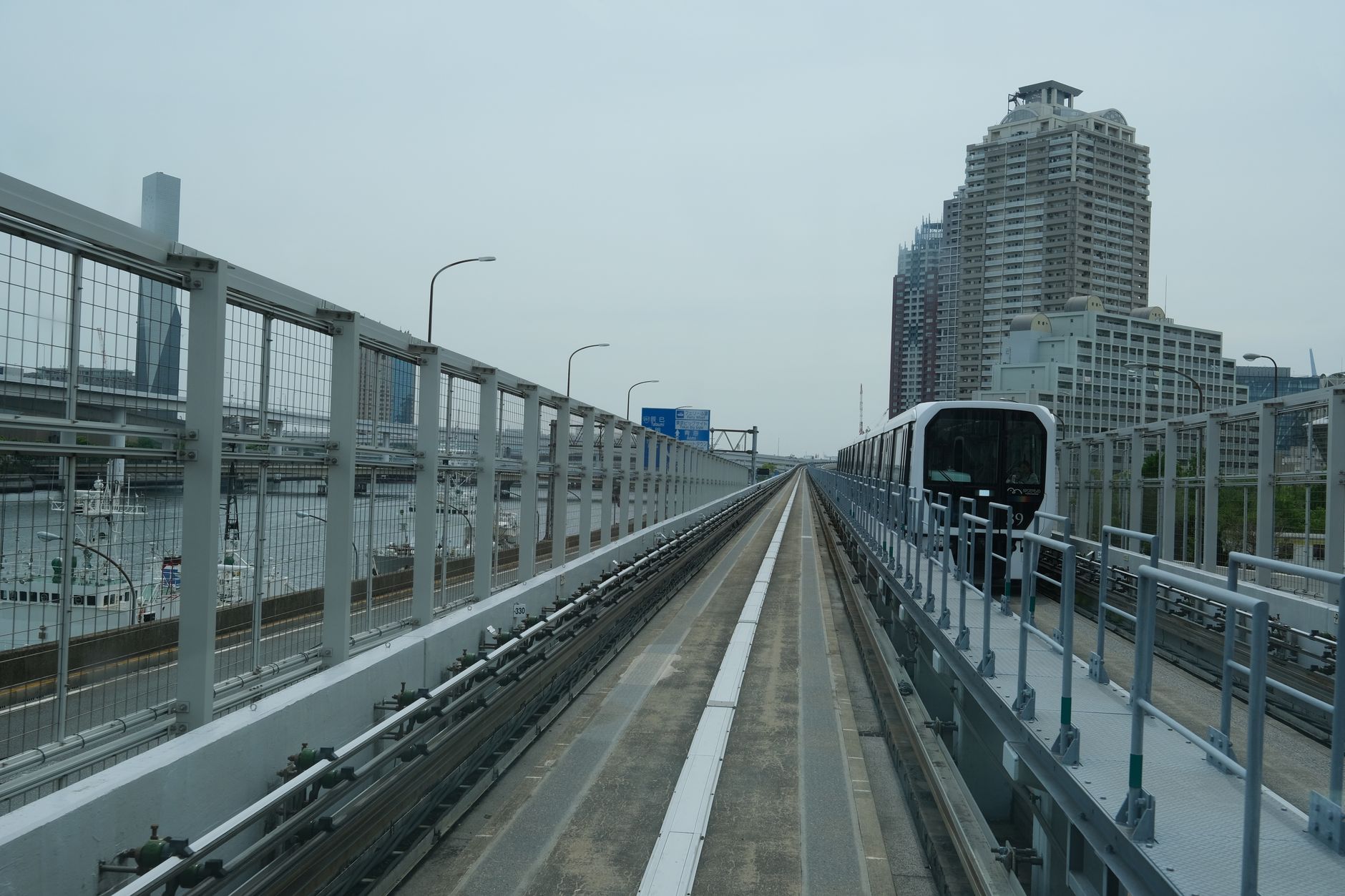
Photo by Huu Huynh on Pexels