









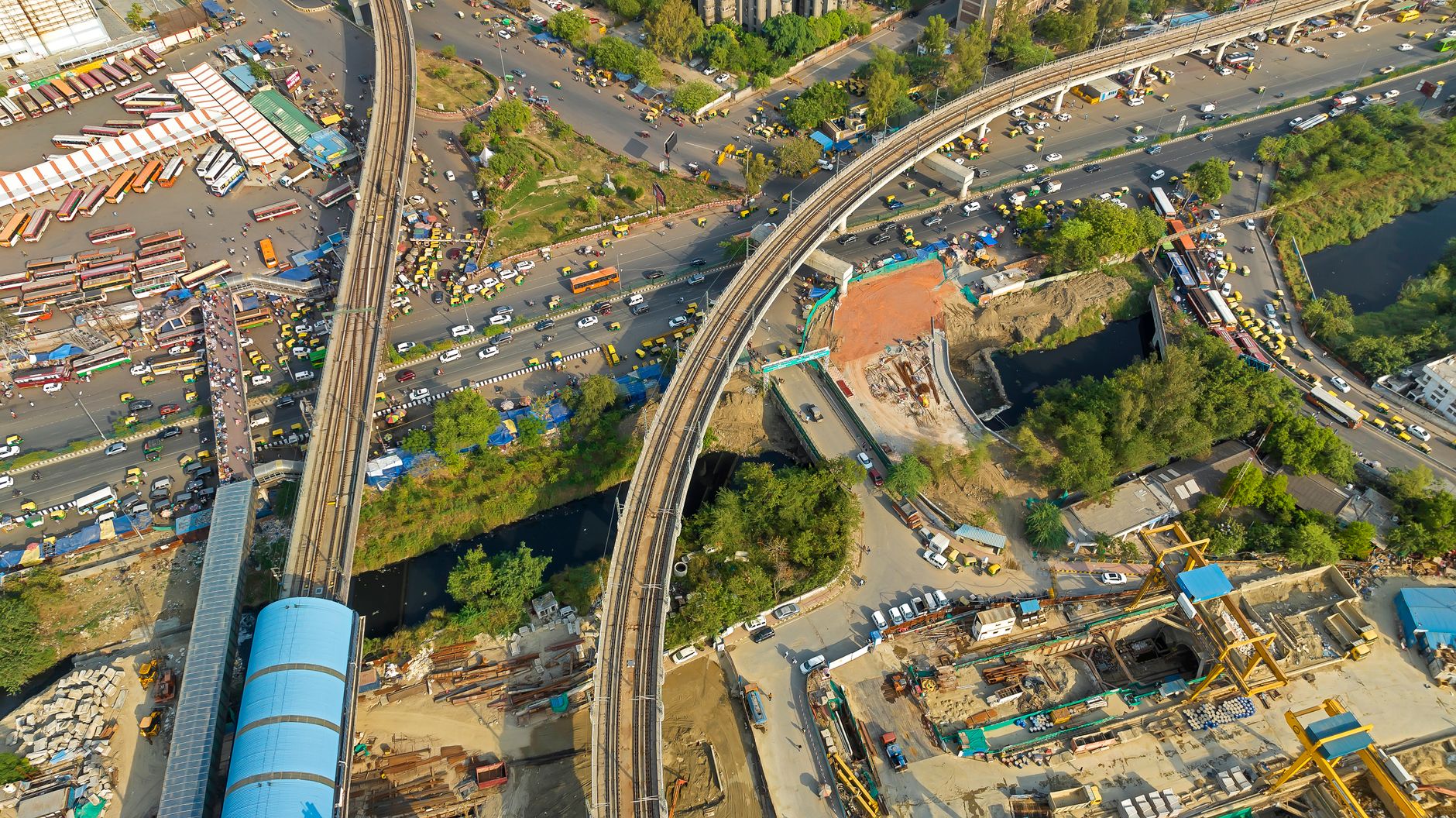
infrastructure projects India are being inaugurated by Prime Minister Modi, marking a significant step towards enhancing the country’s development. These projects aim to improve connectivity and boost economic growth.
Overview of the Infrastructure Projects
In recent months, India has witnessed a significant push towards enhancing its infrastructure, with various projects inaugurated by Prime Minister Modi. These infrastructure projects in India aim to bolster economic growth, improve connectivity, and provide better facilities for citizens. As the country continues to develop, the government recognizes the critical role that robust infrastructure plays in attracting foreign investments and stimulating local economies.
Among the notable projects are:
- Highway Expansions: Major highways are being expanded to reduce travel time and improve logistics.
- Railway Modernization: Upgrades to railway stations and the introduction of high-speed trains are in progress.
- Urban Development: Smart city initiatives are being implemented to enhance urban living standards.
- Renewable Energy Projects: Investments in solar and wind energy infrastructure are being prioritized.
These initiatives are expected to create numerous job opportunities and improve the overall quality of life for millions of Indians. By addressing the pressing need for better infrastructure, the government is laying the groundwork for sustainable economic growth in the years to come.
Economic Impact of Modi’s Initiatives
The recent inauguration of various infrastructure projects by Indian Prime Minister Modi marks a significant milestone in the nation’s economic development. These initiatives aim to enhance connectivity, boost trade, and improve the overall quality of life for citizens.
Investing in infrastructure projects in India is crucial for stimulating economic growth. The initiatives not only create jobs but also attract foreign investment, leading to a multiplier effect on the economy. The following points highlight the economic impact of these projects:
- Job Creation: Infrastructure projects generate numerous employment opportunities, reducing unemployment rates and enhancing livelihoods.
- Increased Productivity: Improved transportation and communication networks lead to higher efficiency for businesses.
- Enhanced Trade: Better infrastructure facilitates smoother logistics, making it easier for goods to reach markets.
- Rural Development: Projects aimed at rural connectivity help bridge the urban-rural divide, fostering inclusive growth.
As these infrastructure projects in India unfold, they promise to deliver long-term benefits that will drive the nation’s economy forward, reinforcing Modi’s vision for a prosperous country.
Key Benefits for Local Communities
Infrastructure projects in India are not only vital for national growth but also bring significant benefits to local communities. These projects enhance the quality of life for residents by improving access to essential services and amenities.
Some of the key benefits include:
- Job Creation: Large-scale infrastructure projects provide numerous employment opportunities, helping to reduce local unemployment rates.
- Better Connectivity: Improved roads, railways, and airports facilitate easier travel and transport, connecting rural areas to urban centers.
- Access to Basic Services: With better infrastructure, communities gain improved access to healthcare, education, and sanitation facilities.
- Economic Growth: Local businesses thrive as infrastructure projects boost trade and commerce, leading to increased economic activity.
- Environmental Improvements: Many projects incorporate sustainable practices, enhancing community resilience against climate change.
In summary, infrastructure projects in India play a crucial role in fostering local development, making communities more vibrant and sustainable for future generations.
Future Plans for Infrastructure Development
The future of infrastructure development in India looks promising, with several ambitious projects on the horizon aimed at enhancing connectivity and boosting economic growth. Indian Prime Minister Modi has emphasized the necessity of investing in infrastructure projects in India as a means to propel the nation into a new era of development.
In the coming years, the government plans to focus on:
- Green Infrastructure: Initiatives aimed at sustainable construction and renewable energy sources are being prioritized to combat climate change.
- Digital Infrastructure: Expanding broadband access across urban and rural areas will ensure that all citizens can benefit from digital services.
- Transport Networks: Development of highways, railways, and airports will significantly improve logistics and mobility across the country.
- Smart Cities: Investment in smart city projects aims to create urban areas that are efficient, sustainable, and inclusive.
These plans not only aim to reduce the infrastructure deficit but also promise to create millions of jobs, strengthen local economies, and enhance the quality of life for citizens across India.
Challenges Ahead for Implementation
Despite the significant advancements in infrastructure projects in India, several challenges remain that could hinder their successful implementation. These obstacles must be addressed to ensure the continued growth and development anticipated from these initiatives.
Firstly, funding remains a critical issue. While the government has allocated substantial budgets, delays in disbursement often stall projects. Additionally, public-private partnerships can be complex, leading to uncertainty for investors.
Secondly, land acquisition is frequently a contentious process. Resistance from local communities and legal disputes can prolong timelines and escalate costs. To mitigate this, it is essential to engage with stakeholders early in the planning phase.
Moreover, bureaucratic hurdles can impede progress. Streamlining regulatory processes and reducing red tape would facilitate quicker execution of infrastructure projects in India.
Lastly, ensuring sustainability is crucial. As projects expand, they must not only focus on economic benefits but also address environmental and social impacts. Balancing these factors is vital for long-term success.
Investing in infrastructure projects India has shown a significant impact on economic development by creating jobs and enhancing connectivity. Furthermore, these infrastructure projects India contribute to improved living standards, thereby fostering sustainable growth across various sectors.
Photo by Anil Sharma on Pexels
References
Related stories
Yahoo Travel Hotel Sale: Best Deals for Your Next Vacation · Signatureglobal Real Estate: Smart Balancing for Growth · Smart-Home Launch: Apple’s Exciting October Plans