


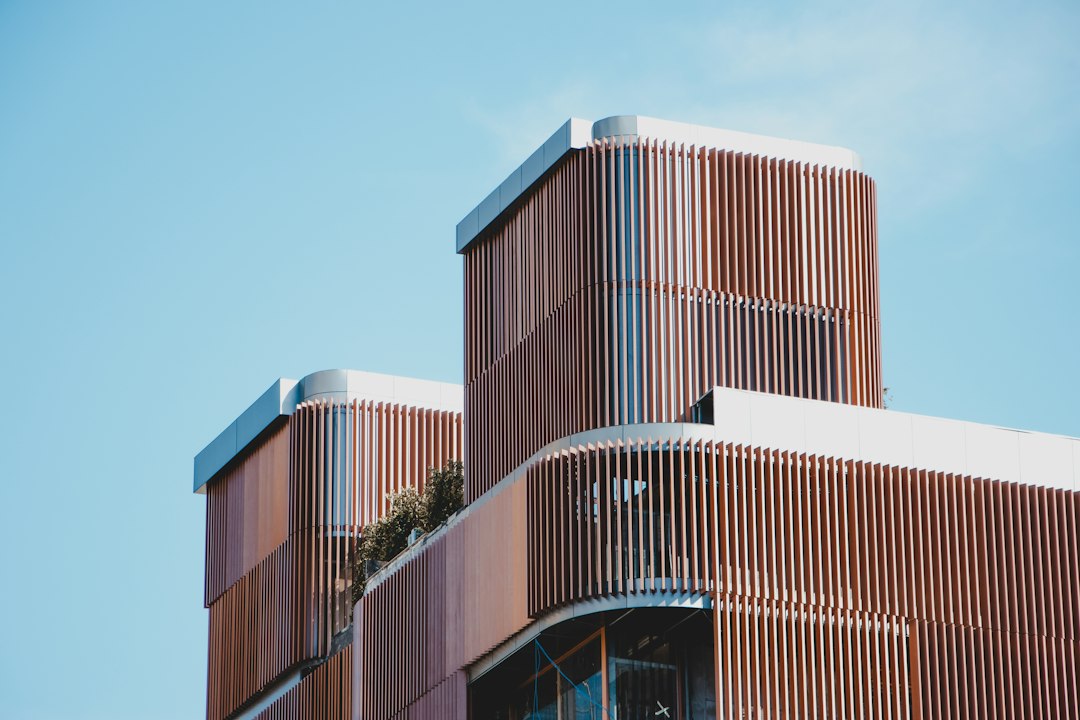
Modern property development is increasingly shaped by the quality of design, functionality, sustainability, and long-term usability. As Australian businesses and communities continue to evolve, well-designed properties can provide more than physical space; they can create environments that support productivity, comfort, accessibility, and lasting value. Hannas Group represents a contemporary development perspective where design excellence can become an important foundation for creating high-quality property projects.
Contents
- Design Excellence Is Shaping Modern Property Standards
- Functionality Remains at the Heart of Good Design
- Quality Materials Can Strengthen Long-Term Appeal
- Sustainability Is Becoming Part of Design Excellence
- Technology Is Enhancing Property Experiences
- Location and Design Work Together
- Design Can Support Business Growth
- Thoughtful Design Creates Lasting Value
- Conclusion
Design Excellence Is Shaping Modern Property Standards
Design excellence involves more than visual appeal. It brings together architecture, functionality, materials, spatial planning, accessibility, environmental considerations, and the intended experience of users.
A well-designed property considers how people will interact with the space every day. This user-focused approach can help create environments that are efficient, attractive, practical, and capable of meeting changing requirements.
Functionality Remains at the Heart of Good Design
A successful property needs to work as effectively as it looks. Efficient layouts can improve movement, accessibility, storage, workflow, and the overall use of available space.
In commercial and industrial environments, thoughtful planning can support business operations by creating clear circulation routes, practical work areas, appropriate access points, and adaptable configurations. Functional design can therefore contribute directly to the usefulness of a development.
Quality Materials Can Strengthen Long-Term Appeal
Material selection plays an important role in the overall performance and appearance of a property. Durable and appropriate materials can support longevity while contributing to a refined visual character.
Modern development increasingly balances aesthetics with practical performance. The objective is to create properties that maintain their appeal while continuing to serve their intended purpose effectively over time.
Sustainability Is Becoming Part of Design Excellence
Sustainable thinking is now closely connected with high-quality property design. Energy efficiency, water management, natural light, ventilation, landscaping, and responsible material selection can all contribute to environmentally conscious development.
These features can also improve operational efficiency and create more comfortable environments for occupants. As sustainability becomes a greater priority across Australia, environmentally responsible design is increasingly viewed as an essential part of contemporary development.
Technology Is Enhancing Property Experiences
Digital innovation is changing the way modern properties operate. Smart building systems, automated controls, security technologies, energy monitoring, and connected infrastructure can make spaces more responsive and efficient.
Incorporating suitable technology during the design process can help properties remain adaptable as business and user expectations change. This combination of physical design and digital capability can contribute to more future-ready environments.
Location and Design Work Together
Even exceptional design benefits from a strong location. Accessibility to transport networks, business districts, services, employment centres, and community facilities can influence the functionality and long-term appeal of a property.
Good design responds to its surroundings rather than treating the site as an isolated space. Understanding local conditions and connections can help create developments that integrate naturally into their broader environment.
Design Can Support Business Growth
For commercial and industrial properties, design can influence how easily businesses expand and adapt. Flexible spaces can accommodate changing operations, additional equipment, new technologies, or increased workforce requirements.
This creates a direct connection between design quality and business performance. A property designed with future needs in mind can provide greater flexibility and support organisations throughout different stages of growth.
Thoughtful Design Creates Lasting Value
Long-term property value is influenced by how well a development continues to meet the needs of its users. Properties that combine quality construction, efficient layouts, attractive presentation, accessibility, sustainability, and adaptability can maintain their relevance as expectations evolve.
Design excellence therefore has a role that extends beyond project completion. It can help establish the foundation for enduring functionality and appeal.
Conclusion
Design excellence is becoming an increasingly important element of modern property development. By combining functionality, quality, sustainability, technology, accessibility, and future-focused planning, developers can create spaces that provide meaningful value to businesses and communities. Thoughtful design transforms property from a simple physical asset into an environment capable of supporting productivity, growth, comfort, and long-term success across Australia’s evolving property landscape.
The Short Version
- Modern property development emphasizes design quality, functionality, sustainability, and long-term usability to enhance productivity and comfort.
- Design excellence integrates architecture, functionality, materials, spatial planning, accessibility, environmental considerations, and user experience.
- Efficient layouts in commercial and industrial properties improve movement, accessibility, and workflow, directly contributing to a development’s usefulness.
- Sustainable design practices, including energy efficiency and responsible material selection, are increasingly essential in contemporary property development.
- The integration of technology in property design enhances responsiveness and adaptability, making spaces more efficient and future-ready.
- A strong location enhances property appeal by improving accessibility to transport, services, and community facilities, complementing good design.