








The Lakadia II Transmission Project is a game changer for Gujarat’s renewable energy zone, supporting 7,500 MW of clean energy capacity.
Overview of the Lakadia II Transmission Project
The Lakadia II Transmission Project is a significant initiative aimed at enhancing Gujarat’s renewable energy infrastructure. This project is pivotal for integrating the region’s robust capacity of 7,500 MW of renewable energy resources, particularly in solar and wind energy.
Developed by Power Grid Corporation, the Lakadia II Transmission Project is designed to facilitate efficient electricity transmission, ensuring that generated power reaches consumers without significant losses.
The project will include:
- Construction of new transmission lines
- Upgradation of existing infrastructure
- Implementation of advanced technology for real-time monitoring
By connecting various renewable energy sources to the grid, the Lakadia II Transmission Project is set to play a crucial role in promoting sustainable energy practices and reducing carbon emissions in the region.
Impact on Gujarat’s Renewable Energy
The Lakadia II Transmission Project is set to significantly impact Gujarat’s renewable energy landscape. With the state aiming to harness 7,500 MW of renewable energy, this project plays a crucial role in facilitating the necessary infrastructure to support such ambitious goals.
Experts believe that the Lakadia II Transmission Project will:
- Enhance connectivity: By linking various renewable energy sources, the project will ensure efficient transmission of power across the grid.
- Boost investment: Improved infrastructure is likely to attract more investments from both domestic and international players in the renewable sector.
- Reduce transmission losses: The advanced technology employed in this project aims to minimize losses during power transmission, ensuring more energy reaches consumers.
Overall, the Lakadia II Transmission Project represents a significant step forward in Gujarat’s commitment to renewable energy and sustainability.
Key Features of the Project
The Lakadia II Transmission Project showcases several key features that position it as a significant advancement in renewable energy infrastructure.
- High Capacity: The project is designed to support up to 7,500 MW of renewable energy, facilitating a robust grid connection for Gujarat’s expanding energy needs.
- Advanced Technology: It incorporates state-of-the-art technology to enhance efficiency and reliability in energy transmission.
- Environmental Benefits: By integrating renewable energy sources, the project aims to reduce carbon emissions and promote sustainable energy practices.
- Economic Growth: The Lakadia II Transmission Project is expected to stimulate job creation and investment in the region, boosting Gujarat’s economy.
- Collaboration: The project is a result of strategic partnerships between public and private sectors, ensuring a comprehensive approach to renewable energy development.
Overall, the Lakadia II Transmission Project is poised to be a cornerstone in Gujarat’s renewable energy landscape.
Challenges and Opportunities Ahead
The Lakadia II Transmission Project presents a mix of challenges and opportunities as it aims to enhance Gujarat’s renewable energy landscape. One of the primary challenges is the integration of a vast network capable of accommodating the 7,500 MW capacity. This requires significant investment in infrastructure and technology.
Additionally, regulatory hurdles and land acquisition issues could slow down progress. However, these challenges also pave the way for innovative solutions, such as advanced energy storage systems and smart grid technologies that can optimize energy distribution.
On the opportunity side, the Lakadia II Transmission Project could lead to job creation and economic growth in the region. By enhancing connectivity to renewable sources, it can stimulate further investments in the green energy sector, potentially positioning Gujarat as a leader in sustainable energy production.
With careful planning and execution, the Lakadia II project may indeed represent a significant step forward in India’s renewable energy journey.
Future of Renewable Energy in India
The future of renewable energy in India looks promising, particularly with initiatives like the Lakadia II Transmission Project, which aims to enhance the efficiency of energy distribution. As the country seeks to meet its ambitious renewable energy targets, there are several key factors shaping this landscape:
- Investment in Infrastructure: Significant funding is required to develop modern infrastructure that can support renewable energy projects across the nation.
- Technological Advancements: Innovations in energy storage and grid management are crucial for optimizing renewable energy use.
- Policy Support: Government policies that promote renewable energy investments will play a vital role in attracting stakeholders.
- Public Awareness: Educating the public about the benefits of renewable energy can drive demand and acceptance.
Overall, the Lakadia II Transmission Project is set to be a cornerstone in advancing India’s renewable energy ambitions, paving the way for a sustainable future.
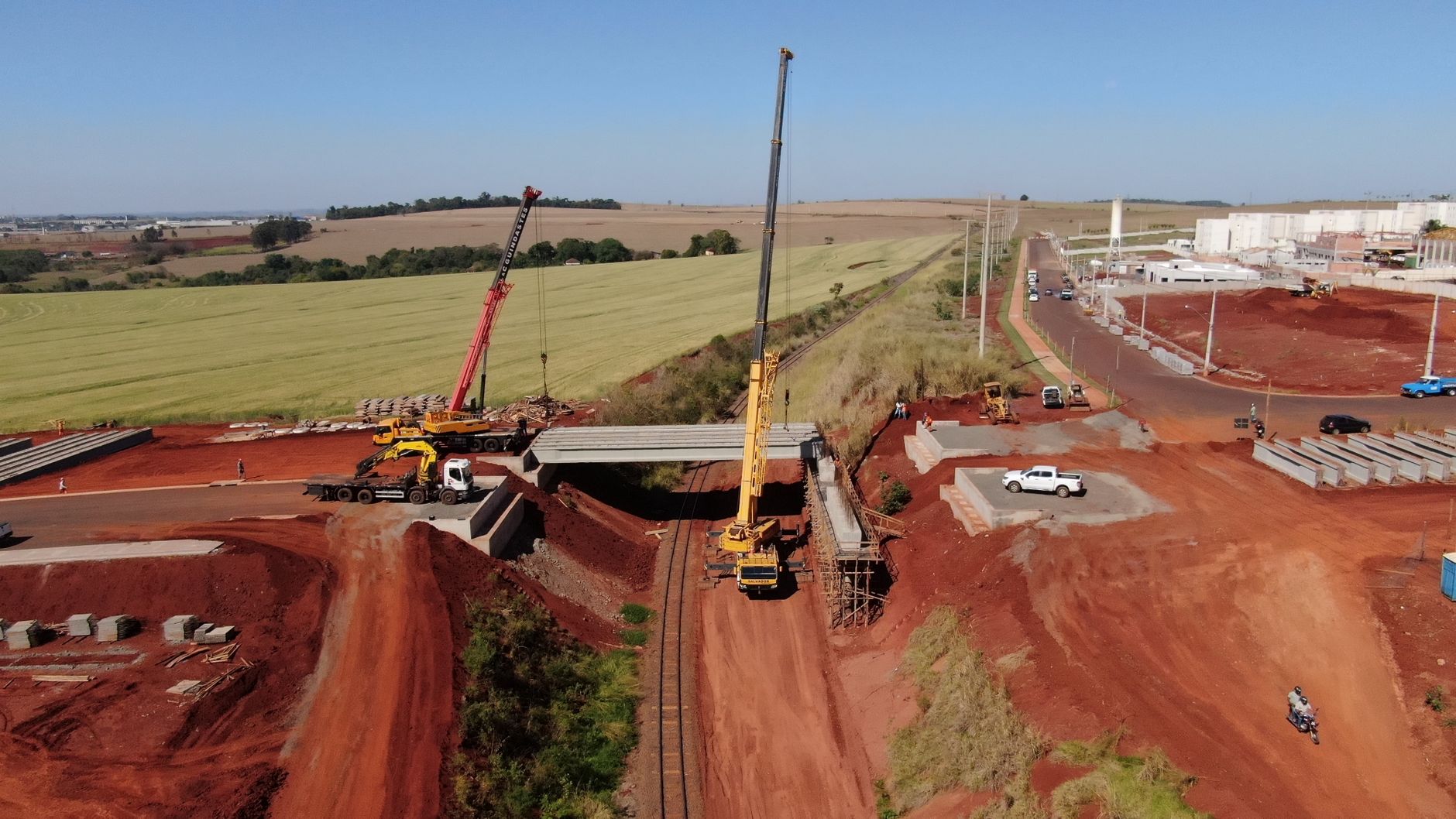
Photo by Rodolfo Gaion on Pexels
References
Related stories
Chennai Metro Phase 2: Is It the Best New Transportation Option? · Infrastructure Projects India: Proven Benefits for Growth · Yahoo Travel Hotel Sale: Best Deals for Your Next Vacation