









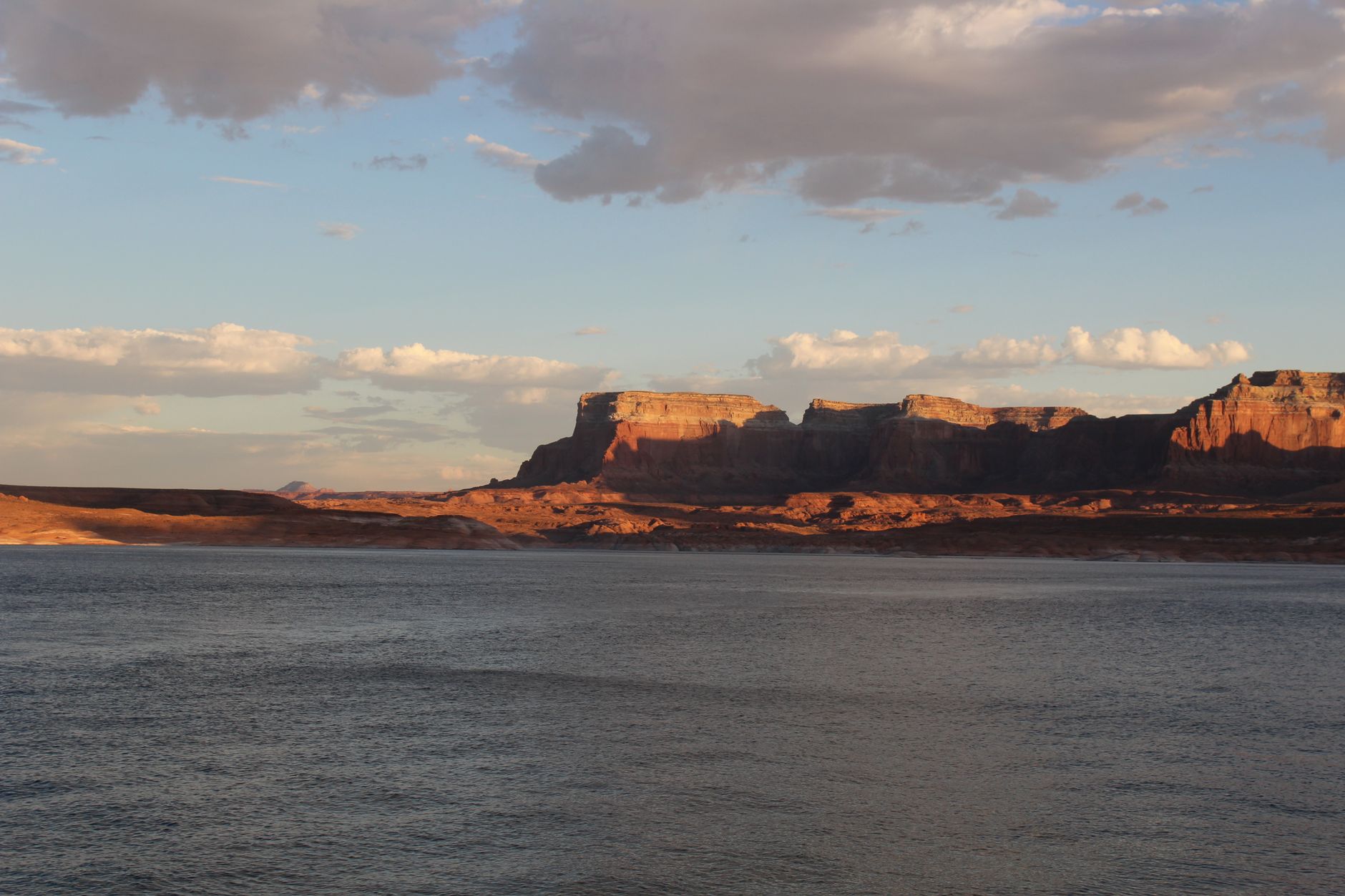
Navajo water projects are set to receive significant funding as President Nygren signs agreements securing $24.555 million for essential improvements. This initiative aims to enhance water access and infrastructure for the Navajo Nation.
Overview of the Agreements
The recent signing of ten agreements by President Nygren marks a significant milestone in enhancing water access for Navajo communities. These agreements secure a total of $24.555 million dedicated to various Navajo water projects aimed at improving infrastructure and ensuring sustainable water supply.
These initiatives are expected to have profound impacts on local residents, addressing critical issues such as water scarcity and health. By investing in these essential projects, the Navajo Nation aims to provide clean and reliable water sources to households that have historically faced challenges in accessing this vital resource.
The funds will be allocated to a range of activities, including:
- Upgrading existing water systems
- Constructing new water infrastructure
- Enhancing water quality monitoring
Through these efforts, the agreements not only promise immediate benefits but also lay the groundwork for long-term sustainability in water management, ultimately improving the quality of life for many within the Navajo Nation.
Funding Breakdown
The recent funding agreements signed by President Nygren are set to make a significant impact on Navajo water projects, with a total allocation of $24.555 million. This funding is essential for addressing long-standing water access issues in the Navajo Nation.
The financial breakdown of the funding includes:
- $10 million designated for infrastructure improvements, ensuring reliable delivery of water to underserved communities.
- $5 million allocated for the development of sustainable water sources, reducing dependence on external resources.
- $4 million aimed at community education programs, raising awareness about water conservation practices.
- $3.555 million reserved for emergency response services, ensuring that communities can swiftly address any water-related crises.
These investments not only enhance the quality of life for Navajo residents but also promote health and economic stability within the region. The success of these Navajo water projects relies on effective implementation and community involvement.
Impact on Local Communities
The recent agreements signed by President Nygren mark a significant milestone for the Navajo Nation, particularly in how these Navajo water projects are poised to enhance the quality of life for local communities. Access to clean and reliable water resources is crucial for health, agriculture, and economic development.
As the projects roll out, the benefits can be seen in several key areas:
- Health Improvements: With better access to potable water, residents can experience a reduction in waterborne diseases and improved overall health.
- Agricultural Growth: Enhanced irrigation systems will support local farming, leading to increased food security and economic stability.
- Job Creation: The projects will create construction and maintenance jobs, boosting the local economy and providing opportunities for community members.
- Cultural Preservation: Access to water resources helps sustain traditional practices and cultural activities, preserving the rich heritage of the Navajo people.
Overall, these initiatives represent a transformative step towards self-sufficiency and resilience for the Navajo Nation.
Future Water Projects
As the success of previous initiatives becomes evident, the focus now shifts to future water projects aimed at further enhancing the quality of life for Navajo communities. The recent agreements signed by President Nygren lay the groundwork for a series of ambitious plans intended to improve access to clean water across the reservation.
These upcoming projects are expected to include:
- New pipeline systems to connect remote households to existing water sources.
- Water purification facilities designed to ensure safe drinking water for all residents.
- Community training programs to engage locals in the maintenance and management of water resources.
In addition to addressing immediate needs, these initiatives will align with the long-term goals of sustainable water management. By investing in innovative technologies and community-driven solutions, the Navajo water projects aim to create a resilient infrastructure that not only meets current demands but also adapts to future challenges.
Ultimately, these efforts signify a commitment to empowering local communities through reliable access to essential resources.
Government Support for Infrastructure
The recent agreements signed by President Nygren mark a significant step forward in the ongoing effort to improve water infrastructure on the Navajo Nation. With a total of $24.555 million allocated for various Navajo water projects, the local government is committed to enhancing access to clean and reliable water sources.
This initiative is backed by both federal and state agencies, highlighting the importance of collaboration in addressing long-standing water issues within the community. Government support plays a crucial role in the successful implementation of these projects, ensuring that resources are effectively utilized to meet the needs of residents.
Among the key benefits of these agreements are:
- Improved water delivery systems that reach remote areas
- Increased capacity for water storage and distribution
- Long-term maintenance plans to ensure sustainability
As these Navajo water projects move forward, the anticipated improvements are expected to foster greater health, economic development, and overall well-being for the community.
Benefits of Improved Water Access
Improved access to water through the Navajo water projects has resulted in significant benefits for local communities. Residents have experienced enhanced quality of life, as reliable water supply is crucial for both daily needs and economic activities.
Some of the key benefits include:
- Health Improvements: Access to clean water reduces the risk of waterborne diseases, promoting better health outcomes for families.
- Economic Growth: With improved water infrastructure, local businesses have the opportunity to thrive, leading to job creation and increased economic stability.
- Environmental Sustainability: Efficient water management practices introduced in these projects help conserve resources and protect local ecosystems.
- Community Resilience: Enhanced water systems foster a sense of community, as residents collaborate on maintenance and sustainability initiatives.
These benefits underscore the importance of investing in Navajo water projects, as they not only address immediate needs but also lay the groundwork for long-term prosperity and resilience in the region.
Challenges Ahead for Implementation
While the recent agreements for Navajo water projects present a promising future for local communities, several challenges remain in their implementation. One significant hurdle is the logistics of infrastructure development across the vast and often rugged terrain of the Navajo Nation.
Additionally, securing the necessary permits and navigating regulatory requirements can delay project timelines. Stakeholder engagement is crucial, as local residents must be involved in the planning stages to ensure that the water projects meet their specific needs and concerns.
Furthermore, there is a critical need for skilled labor to carry out the construction and maintenance of these water systems. Training programs will be essential to prepare a workforce capable of supporting the ongoing demands of these initiatives.
Lastly, community education on the use and conservation of water resources will play a vital role in the sustainability of the projects. Without addressing these challenges, the full benefits of improved water access through Navajo water projects may not be realized, impacting long-term success for the communities involved.
Conclusion and Next Steps
In conclusion, the recent agreements signed by President Nygren mark a significant milestone for Navajo water projects, providing essential funding and support for the enhancement of water infrastructure across the region. The $24.555 million allocated will not only improve access to clean water but also bolster the overall health and economic stability of local communities.
Looking ahead, it is crucial for stakeholders to prioritize the implementation of these initiatives effectively. Continued collaboration between government entities, tribal leaders, and community members will be vital in overcoming the challenges that lie ahead. Regular assessments will ensure that the water projects are executed efficiently and meet the needs of the Navajo Nation.
Furthermore, ongoing engagement with residents will help gather feedback and address any emerging issues during the project phases. As these water projects progress, the ultimate goal remains clear: to create a sustainable and reliable water supply that supports the well-being and prosperity of all Navajo communities.
Photo by Nathan Rokusek on Pexels