
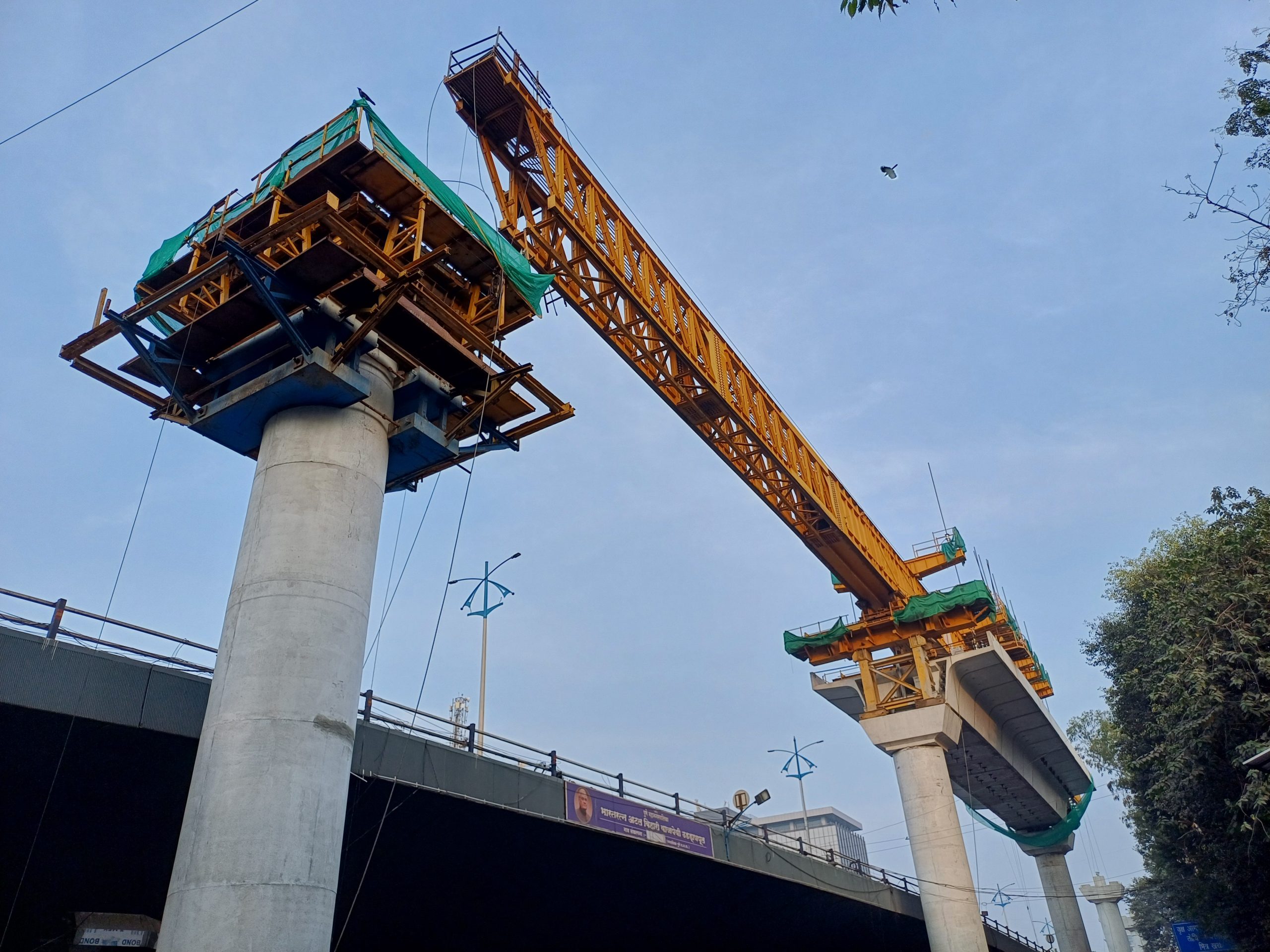
Pune Metro Line 3 has officially been inaugurated, marking a significant milestone for the city’s public transport system. This new line promises to enhance connectivity and ease of travel for residents.
Overview of Pune Metro Line 3
Pune Metro Line 3, also known as the Pink Line, was officially inaugurated, marking a significant milestone in Pune’s public transportation network. Set to commence services on November 4, 2023, this new line promises to enhance connectivity across the city, making daily commutes more efficient for residents.
The Pune Metro Line 3 spans approximately 23 kilometers, connecting key areas such as Swargate to the Pune International Airport. The line features a total of 23 stations, strategically located to serve densely populated neighborhoods and important commercial zones. This is expected to ease traffic congestion and reduce travel times for commuters.
One of the standout features of Pune Metro Line 3 is its modern design and advanced technology. The metro trains are equipped with state-of-the-art safety systems and amenities aimed at providing a comfortable journey. Furthermore, the project incorporates eco-friendly practices, including energy-efficient trains and green building standards at the stations.
As Pune continues to grow, the introduction of Metro Line 3 is seen as a crucial step in addressing the city’s transportation challenges. With its anticipated benefits, many are eager to see how Pune Metro Line 3 will transform daily travel in 2023 and beyond.
Benefits of the New Metro Line
The inauguration of the Pune Metro Line 3 has brought numerous benefits to the city’s transportation landscape. As one of the latest developments in urban transit, it is designed to enhance connectivity and reduce traffic congestion. Here are some key advantages of the new metro line:
- Improved Connectivity: Pune Metro Line 3 links vital areas of the city, making it easier for residents to travel between different neighborhoods and business districts.
- Time Efficiency: The metro system allows passengers to avoid traffic jams, significantly cutting down travel time compared to traditional road transport.
- Environmentally Friendly: By promoting public transport, the Pune Metro Line 3 helps reduce the carbon footprint, contributing to a cleaner environment.
- Cost-Effective Travel: With affordable ticket prices, the metro provides a budget-friendly option for daily commuters.
- Safety and Reliability: Modern metro systems are designed with safety features and consistent schedules, offering a reliable mode of transport for all users.
Overall, the Pune Metro Line 3 is set to transform urban mobility in the region, making it a strong contender for the best new transit option in 2023.
How to Access the Pink Line Services
Accessing the Pink Line services of Pune Metro Line 3 has been designed to be user-friendly and efficient. Starting November 4, passengers can experience a new level of convenience in urban transit. Here are some key points on how to utilize the services:
- Stations: The Pink Line connects several important locations across Pune, making it easy for commuters to reach their destinations. Notable stations include Shivaji Nagar, Swargate, and Katraj, among others.
- Tickets: Passengers can purchase tickets at the station kiosks or through the mobile app. The app offers a seamless way to plan your journey and check real-time schedules.
- Frequency: Trains on the Pink Line services run at regular intervals, providing a reliable mode of transportation. Peak hours see increased frequency to accommodate higher passenger volumes.
- Accessibility: The stations are equipped with facilities for differently-abled passengers, ensuring that everyone can access the services comfortably.
Overall, the Pune Metro Line 3 presents a promising option for daily commuters, aiming to alleviate congestion and enhance connectivity throughout the city.
Impact on Pune’s Traffic Congestion
The inauguration of Pune Metro Line 3 is set to significantly impact traffic congestion in the city. With its launch on November 4, 2023, the Pink Line promises to provide a reliable and efficient alternative to traditional road transport, which has been grappling with increasing commuter numbers and gridlock.
As Pune continues to grow, the challenges of traffic management become more pressing. The introduction of Pune Metro Line 3 aims to alleviate some of these issues by offering:
- Reduced Travel Times: The metro’s dedicated tracks will allow for faster commutes compared to road travel.
- Increased Capacity: With multiple coaches, the metro can accommodate a larger number of passengers, reducing the number of vehicles on the roads.
- Environmentally Friendly Options: By encouraging the use of public transport, the metro line can help lower the carbon footprint associated with personal vehicles.
Moreover, as more residents opt for the metro over private transport, it is expected to lead to less congestion on major thoroughfares, making commuting smoother for everyone. This shift could be a game-changer in how Pune addresses its long-standing traffic problems.
Future Plans for Pune Metro Expansion
The future of Pune’s public transport system looks promising, with ambitious plans for further expansion beyond the recently inaugurated Pune Metro Line 3. City planners and officials are keen on enhancing connectivity and accessibility across various regions of Pune.
Future plans for the Pune Metro expansion include:
- Extension of Existing Lines: Proposals are in place to extend Pune Metro Line 3 further into suburban areas, allowing more residents to benefit from the metro services.
- New Lines: New metro lines are being considered to connect key areas such as Hinjewadi, Wakad, and Pimpri-Chinchwad, which are major employment hubs.
- Integration with Other Transport Modes: Plans are underway to ensure seamless integration with bus services, auto-rickshaws, and bike-sharing programs, making it easier for commuters to switch between different modes of transport.
- Environmental Sustainability: Future expansions will prioritize eco-friendly practices, incorporating energy-efficient technologies and promoting the use of public transit to reduce carbon footprints.
With these initiatives, Pune Metro Line 3 is just the beginning, paving the way for a comprehensive transit network that can significantly improve the city’s infrastructure in the coming years.
Public Response to the Inauguration
The inauguration of the Pune Metro Line 3 has sparked a wave of enthusiasm among the residents of Pune. Many commuters are expressing optimism about the new transit option, citing its potential to ease daily travel woes.
In a recent survey conducted shortly after the inauguration, a significant number of respondents highlighted the following aspects:
- Convenience: Many users are thrilled about the reduced travel time between key areas.
- Affordability: With competitive fare prices, commuters feel they can save more on transportation costs.
- Environmental Benefits: Residents appreciate the eco-friendly aspect of the Pune Metro Line 3, viewing it as a step towards sustainable urban mobility.
However, some concerns have also been raised. A few residents expressed worries about the initial crowding and the need for ongoing maintenance. Additionally, there are calls for improved feeder services to connect the metro stations with residential areas.
Overall, the public response to the inauguration of Pune Metro Line 3 has been largely positive, indicating that it may become the preferred choice for daily commutes in the city. As the services begin operation, many are eager to experience this new transit option firsthand.
Comparing Metro Line 3 with Other Transit Options
As Pune welcomes the new Pune Metro Line 3, comparisons with other transit options in the city are inevitable. The introduction of this metro line is seen as a game-changer for commuters, but how does it stack up against existing transport systems?
Currently, Pune relies heavily on buses, auto-rickshaws, and private vehicles. Each of these modes has its own advantages:
- Buses: The Pune Mahanagar Parivahan Mahamandal Limited (PMPML) offers extensive coverage and affordable fares, but traffic congestion often leads to delays.
- Auto-rickshaws: They provide flexibility and convenience for short distances, though fares can vary significantly and may not be cost-effective for longer trips.
- Private Vehicles: While they offer comfort and privacy, they contribute to the growing traffic problem, making commuting time-consuming.
In contrast, Pune Metro Line 3 is designed to be a fast and efficient mode of transport. With dedicated tracks, it can bypass the city’s notorious traffic jams, making it a reliable choice for daily commutes. Furthermore, its integration with existing transport systems aims to provide seamless connectivity.
Ultimately, while Pune Metro Line 3 emerges as a strong contender for the best transit option, the decision may vary based on individual commuting needs and preferences.
By DesiBoy101 via Openverse