






Interior design is often described as the art of balancing function with aesthetics. While furniture pieces like sofas, dining tables, and wardrobes take up the primary physical real estate in a room, it is the smaller architectural and decorative details that inject character, depth, and personality into a living space. Among these accent features, mirrors have long enjoyed a unique status. They are essential tools for daily routines, but they also possess the rare ability to manipulate light, alter spatial perceptions, and amplify natural beauty.
However, a bare mirror often feels incomplete or purely utilitarian. The real magic happens when a mirror is paired with a thoughtful, striking frame. The frame acts as a bridge between the reflective surface and the surrounding decor, turning a simple piece of glass into a captivating centerpiece. Whether you are aiming to make a modest room feel expansive, add a touch of historical grandeur, or create a cozy focal point, decorative mirror frames offer an effortless way to elevate any interior.
The Power of the Focal Point
Every well-designed room requires an anchor a specific spot that immediately draws the eye and sets the tone for the entire space. Without a distinct focal point, a room can feel chaotic, disjointed, or surprisingly bland. Decorative mirror frames are particularly adept at serving this anchor role because they inherently attract attention.
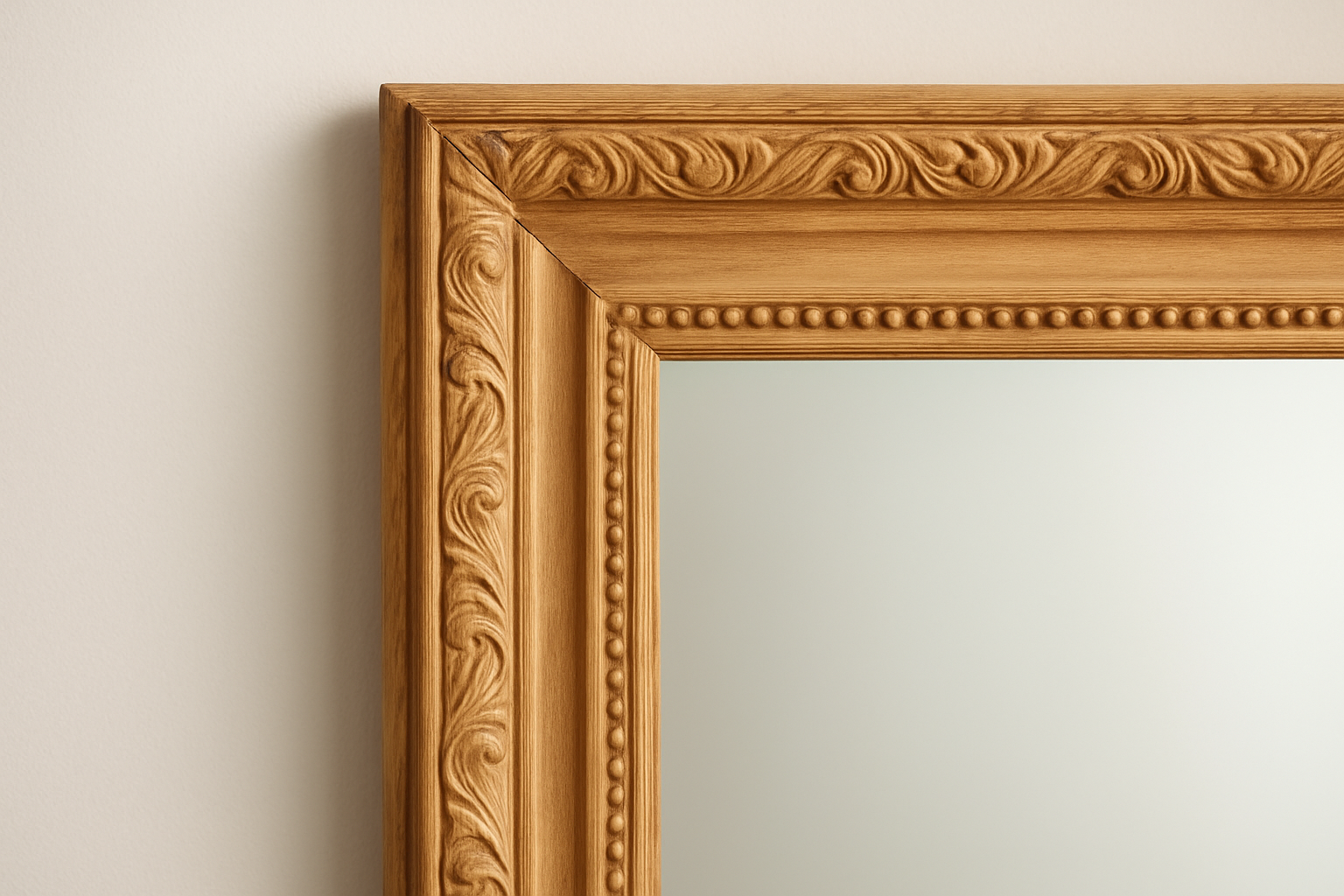
When you hang a mirror with an ornate, bold, or intricately carved frame above a living room fireplace, a dining room sideboard, or an entryway console table, it commands immediate interest. The frame acts as a piece of artwork in its own right. A gilded Victorian frame brings immediate dramatic flair and classical sophistication, while a clean, rustic wooden frame creates an inviting, organic atmosphere. By choosing a frame design that contrasts slightly with your primary wall color, you create a visual destination that guides how people experience and navigate the room visually.
Harnessing and Scattering Light
Lighting can make or break an interior scheme, yet achieving the perfect balance of natural and artificial light is often challenging. Mirrors naturally amplify light, but the texture and finish of the frame determine how that light is experienced within the room.
Frames finished in metallic tones such as polished brass, brushed nickel, gold leaf, or antique copper catch ambient light and bounce subtle, warm shimmers across the walls throughout the day. In rooms that suffer from limited sunlight, placing a metallic-framed mirror adjacent to or opposite a window maximizes every ray of light. The frame itself glows when the sun moves, creating soft shadows and delicate highlights that give the room a dynamic, changing appearance. Even in evening settings, light from floor lamps and chandeliers reflects off carved or faceted frame edges, creating a cozy and luxurious evening glow that flatters the entire room.
Expressing Personal Style and Texture
Walls can easily become monotonous, especially when painted in uniform neutral shades. Adding framed art is a traditional fix, but integrating decorative mirror frames introduces a rich variety of textures and materials that paintings alone cannot provide.
The material of your mirror frame provides a tactile contrast to soft furnishings like rugs, curtains, and upholstered chairs. A hand-carved wooden frame introduces natural warmth, grain variations, and artisanal craftsmanship to modern spaces. A hand-cut mosaic or stained glass frame adds vibrant color and artistic flair, perfect for eclectic or bohemian themes. Woven rattan, seagrass, and bamboo frames bring a relaxed, coastal energy that grounds crisp white walls. By experimenting with these diverse materials, you can express your personal aesthetic while introducing valuable textural diversity.
Conclusion
Transforming a room does not always require a costly renovation, new flooring, or a complete overhaul of your furniture collection. Often, the most profound stylistic impacts come from thoughtful accent choices that bring existing elements together. Decorative mirror frames offer and versatile, accessible, and powerful tool for home transformation.
By carefully choosing frames that reflect your style, you can manipulate light, create striking focal points, visually expand small spaces, and introduce rich new textures to your walls. A mirror frame is far more than a simple border for glass; it is a canvas of craftsmanship that holds the power to completely redefine the mood, scale, and elegance of your living environment.
The Short Version
- Interior design involves balancing function with aesthetics, where smaller architectural and decorative details add character to a living space.
- Mirrors can manipulate light and alter spatial perceptions, becoming more than utilitarian items when paired with striking frames.
- Decorative mirror frames serve as focal points in rooms, attracting attention and setting the overall tone of the space.
- Frames in metallic tones enhance light reflection, maximizing natural light and creating dynamic appearances in rooms with limited sunlight.
- Incorporating diverse mirror frame materials introduces textural variety to walls, contrasting with soft furnishings and enriching personal aesthetics.
- Thoughtful selection of decorative mirror frames can significantly transform a room without the need for extensive renovations.