









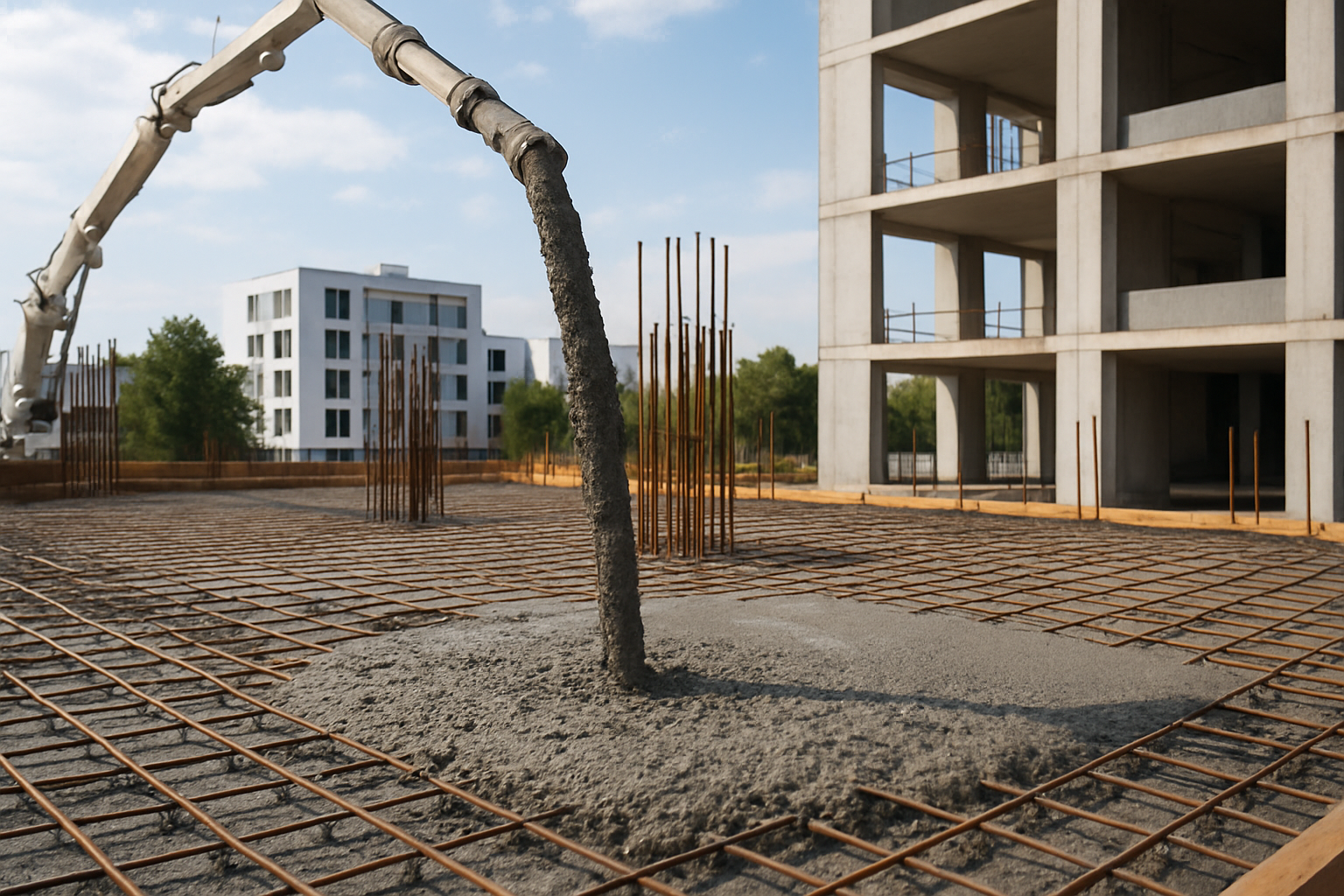
What makes a concrete contractor a strong choice for a property project?
A successful concrete project depends on more than placing and finishing concrete. The contractor must understand the site, select appropriate methods, prepare the ground correctly, manage environmental conditions, and maintain consistent communication. When comparing a concrete company Winnipeg, property owners should assess professional standards rather than choosing a contractor based only on convenience. A dependable company should demonstrate technical competence, organized planning, transparent communication, careful workmanship, and a commitment to maintaining quality throughout every stage of construction.
Contents
- What makes a concrete contractor a strong choice for a property project?
- Why should contractors understand the purpose of the project?
- Why is project assessment important before construction?
- What indicates strong technical knowledge?
- How does reinforcement contribute to concrete performance?
- Why is drainage important around concrete surfaces?
- How does curing affect concrete quality?
- Why does finishing quality matter?
- How should a contractor approach Winnipeg’s seasonal conditions?
- Why is equipment quality relevant?
- What should customers expect from project communication?
- Why are realistic expectations important?
- How should previous work be evaluated?
- What role does customer service play in concrete construction?
- Why should property owners examine the contract carefully?
- What safety practices should customers look for?
- Why does attention to detail matter?
- What should happen after installation?
- How can customers make a confident final decision?
- What are the strongest qualities of a professional concrete contractor?
Why should contractors understand the purpose of the project?
Concrete applications differ according to how the finished surface will be used. A residential walkway has different practical requirements from a driveway, patio, commercial surface, or structural application.
A professional contractor should ask questions about expected traffic, drainage, surrounding landscaping, access, appearance, and future use. These details help determine the most suitable construction approach.
Understanding the purpose of the project also allows the contractor to identify potential concerns before installation begins. A surface designed without considering its actual use may experience unnecessary wear or performance problems.
Why is project assessment important before construction?
A detailed site assessment allows contractors to identify conditions that could influence the work. The inspection may consider existing surfaces, soil characteristics, slope, drainage, accessibility, nearby structures, and the condition of surrounding areas.
A professional contractor should not treat every property as identical. Each location has its own characteristics, and those characteristics can influence preparation and installation.
The assessment also creates an opportunity for the customer to discuss expectations. Clear communication at this stage can reduce misunderstandings once construction begins.
What indicates strong technical knowledge?
Technical knowledge is demonstrated through practical explanations and appropriate planning. A knowledgeable contractor should understand concrete placement, reinforcement, formwork, grading, finishing, curing, joint design, and surface protection.
Customers do not necessarily need to understand every technical detail. However, they should receive enough information to understand why a particular method is being recommended.
A contractor who can explain technical decisions clearly is generally easier to work with because the customer can make decisions based on practical information rather than assumptions.
How does reinforcement contribute to concrete performance?
Reinforcement can be an important consideration for particular concrete applications. Depending on the project, reinforcement methods can help manage structural demands and control cracking behavior.
The appropriate reinforcement approach depends on the design, intended use, site conditions, and engineering requirements where applicable. It should therefore be selected as part of an overall project plan rather than treated as an afterthought.
A professional contractor should be able to explain whether reinforcement is appropriate for the proposed application and how it fits into the construction process.
Why is drainage important around concrete surfaces?
Water management can have a significant influence on concrete performance and surrounding property conditions. Poor drainage can allow water to collect near surfaces, landscaping, structures, or joints.
A knowledgeable contractor should evaluate how water will move across and away from the completed area. Grading and surface design should support appropriate drainage while also fitting the property’s existing conditions.
Discussing drainage before installation can help prevent problems that might otherwise become visible only after construction.
How does curing affect concrete quality?
Curing is an important stage in concrete construction because newly placed concrete needs suitable conditions as it develops its intended properties.
Professional contractors understand that curing should be managed according to the material, environmental conditions, and project requirements. Weather can influence the process, making planning particularly important in regions with changing seasonal conditions.
Customers should ask contractors how curing will be handled rather than assuming that finishing marks the end of the installation process.
Why does finishing quality matter?
Finishing influences both appearance and surface performance. The selected finish should be appropriate for the intended use and environmental exposure.
Professional finishing requires attention to timing, technique, surface consistency, edges, joints, and overall appearance. A skilled crew understands that finishing should not be rushed or performed without considering the condition of the concrete.
Customers can review previous work to assess whether the contractor consistently produces clean edges, uniform surfaces, and finishes appropriate for each application.
How should a contractor approach Winnipeg’s seasonal conditions?
Seasonal conditions can influence concrete construction from preparation through curing and long-term maintenance. Temperature fluctuations, moisture, freezing conditions, and seasonal changes should all be considered during planning.
A contractor familiar with Winnipeg should understand how local conditions can affect construction decisions. They should also communicate when weather may require scheduling adjustments.
A responsible approach recognizes that construction quality and environmental conditions are connected. Good planning can reduce unnecessary risks and support better project performance.
Why is equipment quality relevant?
Concrete projects often require specialized tools and equipment for excavation, preparation, placement, finishing, and cleanup. Reliable equipment can support efficient and consistent workmanship.
However, equipment alone does not guarantee quality. The contractor must also know how to use the equipment appropriately and maintain control over the work process.
Customers can ask about the methods and equipment that will be used, especially when a project has restricted access or unusual site conditions.
What should customers expect from project communication?
Customers should expect clear communication before, during, and after construction. The contractor should explain what will happen, when different stages are expected to occur, and what the customer needs to do before work begins.
Communication should continue if unexpected conditions arise. Delays caused by weather or site issues may sometimes be unavoidable, but a professional contractor should communicate them promptly.
Good communication creates accountability and gives customers confidence that the project is being actively managed.
Why are realistic expectations important?
Concrete is a construction material that requires proper preparation and appropriate environmental conditions. Property owners should therefore be cautious about promises that appear unrealistic or overly simple.
A professional contractor should explain the factors that influence the finished result. These may include soil conditions, drainage, weather, usage, maintenance, and curing.
Realistic expectations protect both the customer and contractor because they create a clearer understanding of what can reasonably be achieved.
How should previous work be evaluated?
Previous projects can reveal the contractor’s practical capabilities. Customers should look for examples similar to their own project rather than evaluating only unrelated decorative work.
Important details include surface consistency, edge quality, finishing, transitions, site cleanliness, and how the concrete integrates with surrounding areas.
Where references are available, customers can also ask about communication, scheduling, site management, and the contractor’s response to questions.
What role does customer service play in concrete construction?
Customer service is closely connected to project management. A contractor may produce technically sound work, but poor communication can still create a frustrating experience.
Professional service means listening to customer requirements, explaining options, respecting the property, answering questions, and keeping commitments wherever practical.
Good customer service also involves managing disagreements constructively. If a concern develops, the contractor should be willing to discuss it and identify a reasonable path forward.
Why should property owners examine the contract carefully?
Written project information provides an important reference throughout construction. It should make the scope of work clear and identify relevant responsibilities.
Customers should understand what preparation, installation, finishing, cleanup, and other services are included. Any important assumptions or site requirements should also be discussed before work begins.
A clear written agreement helps both parties understand expectations and reduces the possibility of conflicting interpretations.
What safety practices should customers look for?
A professional worksite should be organized with safety in mind. Equipment, tools, materials, excavation areas, and newly placed concrete can all present hazards if not managed properly.
Responsible contractors should control access to active work areas and maintain appropriate safety procedures for workers and visitors.
Good safety practices also demonstrate professionalism. A contractor that treats safety seriously is showing that quality includes responsible project management.
Why does attention to detail matter?
Concrete projects are made up of many individual stages. Small errors during preparation, form placement, reinforcement, finishing, or cleanup can influence the overall result.
Attention to detail means checking measurements, alignment, edges, drainage, surface consistency, and finishing quality. It also means inspecting completed work before considering the project finished.
A contractor committed to detail is more likely to identify potential concerns before they become larger problems.
What should happen after installation?
Completion should involve more than simply leaving the property. A professional contractor should inspect the finished work and provide relevant guidance about curing, use, cleaning, and maintenance.
Customers should know when the surface can safely be used and whether any temporary restrictions apply. They should also understand how regular care can support long-term performance.
A proper completion process provides a clear transition from construction to ownership.
How can customers make a confident final decision?
The best decision usually comes from comparing contractors across several professional criteria. Technical knowledge, local experience, workmanship, communication, preparation, safety, scheduling, documentation, and customer service should all be considered.
A contractor that performs well across these areas is more likely to provide a dependable project experience than one selected on a single appealing characteristic.
What are the strongest qualities of a professional concrete contractor?
The strongest qualities include careful planning, relevant experience, local knowledge, reliable communication, sound technical understanding, quality workmanship, responsible safety practices, organized site management, and honest expectations.
Professional contractors understand that durable concrete work begins with decisions made before installation. They consider the property, intended use, environmental conditions, materials, preparation, placement, curing, and maintenance as connected parts of one process.
For Winnipeg property owners, evaluating these qualities can make contractor selection more straightforward. A careful decision can support better workmanship, clearer communication, and greater confidence in the completed project.
The Short Version
- A successful concrete project requires understanding the site, selecting appropriate methods, and maintaining consistent communication throughout the process.
- Contractors should assess professional standards rather than solely convenience when comparing concrete companies in Winnipeg.
- Clear communication during the detailed site assessment creates opportunities for customers to discuss expectations, reducing misunderstandings later in the project.
- Appropriate reinforcement methods help manage structural demands and control cracking behavior, and should be integrated into the overall project plan.
- Excellent finishing quality influences both the appearance and performance of the concrete surface, requiring attention to timing, technique, and overall consistency.
- Contractors familiar with Winnipeg’s seasonal conditions must plan for temperature fluctuations and other environmental factors that impact concrete construction.