






Building a log cabin is the realization of a classic dream. It represents a return to nature, a peaceful retreat from the fast pace of modern life, and a timeless architectural choice that harmonizes with the outdoors. However, a cabin is only as good as the ground it stands upon. Selecting the right setting for your retreat is perhaps the most critical decision in the entire process, as it shapes your daily living experience, construction costs, long-term maintenance, and ultimate enjoyment of the property. Whether you are dreaming of an off-grid mountain retreat or a cozy backyard guest house, learning how to build a log cabin in Tennessee from scratch allows you to create a timeless, handcrafted shelter tailored to your lifestyle.
1. Defining Your Vision and Lifestyle Goals
Before looking at property listings or touring rural acreage, you must clarify how you intend to use the cabin. Are you building a weekend getaway, a seasonal hunting lodge, a full-time residence, or an investment property for short-term rentals? Each of these uses demands a different set of location criteria.
If you plan to live in the cabin full-time, proximity to essential services becomes paramount. You will need reasonable access to grocery stores, medical facilities, schools, and reliable roads that are maintained throughout the year. On the other hand, if your goal is a remote weekend refuge, you may prioritize seclusion and solitude, accepting a longer drive to the nearest town in exchange for quiet starry nights and complete privacy.
2. Analyzing Accessibility and Infrastructure
A common misconception when buying rural land is assuming that any beautiful parcel can easily support a home. Accessibility is often the first major hurdle prospective log cabin owners encounter. You must consider how you will reach your property during all four seasons.
An idyllic dirt trail through the woods might be delightful in mid-summer, but it can quickly turn into an impassable mud track during spring rains or become completely buried under deep winter snow. Determine whether the access roads are publicly maintained or if you will be responsible for private road upkeep, including plowing and grading.
Off-grid systems such as solar panels, generator backups, and rain catchment systems offer freedom, but they require higher initial investments and ongoing user maintenance.
3. Evaluating Topography, Soil, and Solar Exposure
Log cabins are heavy, substantial structures that require stable, reliable foundations. The physical characteristics of the land directly impact your site preparation costs and structural safety over time.
A flat or gently sloping parcel is generally easier and less expensive to build on than a steep hillside, which requires extensive excavation, retaining walls, and complex foundation design. Having a professional perform a soil analysis will reveal whether the ground consists of solid bedrock, stable clay, or loose, poorly draining material that could lead to settling issues.
Pay close attention to solar orientation when choosing a build site. Positioning your cabin to maximize south-facing sun exposure provides natural passive heating during colder months and fills your living spaces with abundant natural light. Conversely, deep forest canopies or high ridge shadows can leave a cabin feeling dark and cold, while promoting moss growth and moisture retention on the logs.
4. Understanding Water Features and Natural Risks
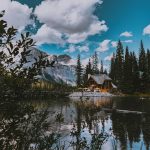
Water is one of the most desirable features near any cabin setting, whether it is a babbling mountain brook, a tranquil lake, or a rushing river. While living near water enhances beauty and recreational opportunities, it also introduces specific challenges.
Building too close to a body of water increases the risk of flooding during heavy rain or seasonal snowmelt. Always review local floodplain maps and observe flood lines before picking a building site. High humidity near lakes or streams can also accelerate log weathering and moisture absorption, making proper roof overhangs and protective wood finishes critical.
Beyond water hazards, research other potential natural risks in the region. Areas prone to wildfires require defensible space management around the perimeter, which involves clearing brush, low branches, and dry vegetation. In areas with high snowfall, steep roof pitches and clear access corridors are necessary to keep the cabin safe and functional.
Conclusion
Choosing the ideal location for your log cabin is a balanced exercise in passion and practicality. By taking the time to thoroughly assess your personal lifestyle needs, verify infrastructure accessibility, analyze the physical layout of the terrain, and comply with local land-use regulations, you ensure that your future home sits on a firm foundation. The right parcel of land will not only protect your financial investment, but it will also provide a peaceful, enduring backdrop for years of memorable experiences in nature.
The Short Version
- Selecting the right setting for your log cabin significantly influences your daily living experience, construction costs, and long-term maintenance.
- Proximity to essential services is crucial if you intend to use the cabin as a full-time residence, whereas seclusion might be prioritized for a weekend retreat.
- Accessibility to your property must be considered for all four seasons, as conditions can vary greatly and affect access roads.
- Characteristics like topography and soil stability impact site preparation costs and structural safety, making professional soil analysis important.
- Building near water can enhance beauty and recreation but also increases risks like flooding and accelerated log weathering.
- Natural risks, such as wildfires and heavy snowfall, must be addressed with appropriate safety measures when choosing a building site.