




A classic Margherita pizza recipe is a masterpiece of culinary simplicity. Originating in Naples, Italy, this iconic dish relies on a harmonious triad of ingredients: fresh tomatoes, fragrant basil, and rich cheese, all set upon a perfectly baked crust. Because the ingredient list is so refined and minimal, every single component must shine. Among these, the choice of cheese is arguably the most crucial decision you will make. The right cheese provides a creamy contrast to the bright acidity of the tomato sauce, melting into luxurious pools without overwhelming the delicate crust. Understanding the nuances of pizza cheese will elevate your homemade Margherita from a simple flatbread to an authentic Neapolitan experience.
The Undisputed Classic: Fresh Mozzarella di Bufala
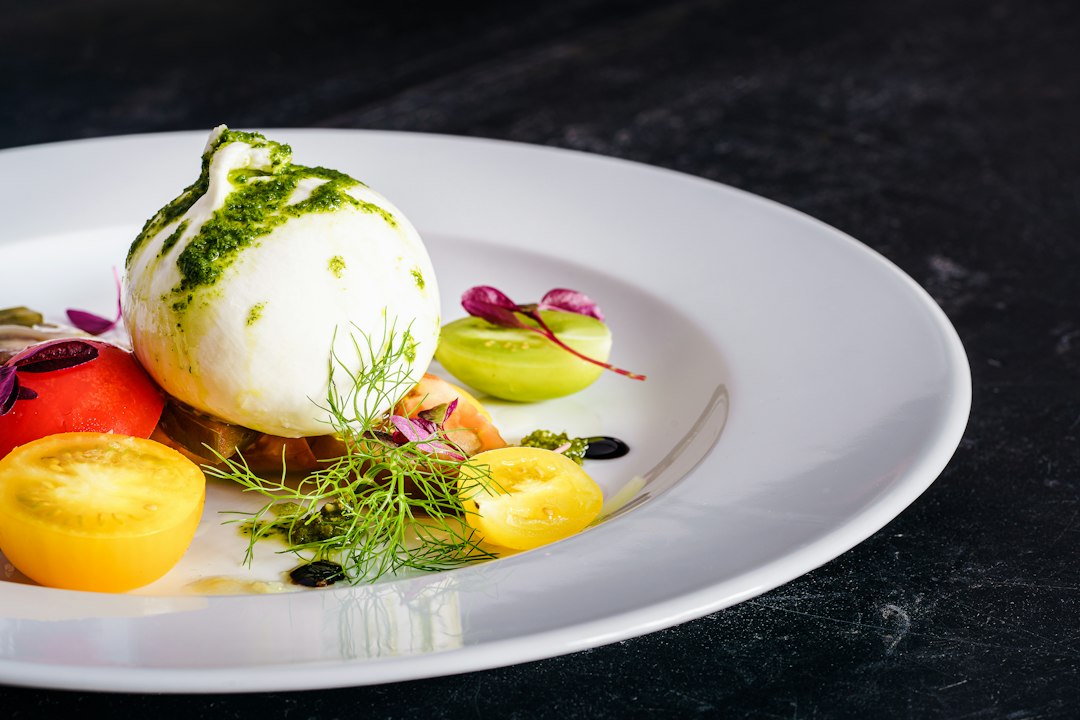
When discussing true Neapolitan tradition, Mozzarella di Bufala Campana stands as the gold standard. Crafted from the milk of Mediterranean water buffaloes in specific regions of Italy, this cheese offers a flavor profile that is unmatched in richness and complexity. It features a delicate, tangy freshness combined with a high fat content that yields a remarkably creamy texture when melted.
Using buffalo mozzarella brings a distinct authenticity to your Margherita pizza. As it bakes in a high-temperature oven, the cheese softens into soft, velvety pockets that mingle with the tomato sauce. However, because fresh buffalo mozzarella contains a high amount of moisture, it requires careful preparation. If placed directly onto the pizza without prior draining, the excess liquid can make the center of your crust soggy. Slicing the cheese ahead of time and allowing it to strain on paper towels for at least an hour will ensure you enjoy its luxurious taste without sacrificing the integrity of your crust.
Avoiding the Pitfalls of Low-Moisture Shredded Mozzarella
It can be tempting to reach for a bag of pre-shredded, low-moisture mozzarella at the grocery store, especially for the sake of convenience. However, this type of cheese is generally not recommended for an authentic Margherita pizza. Low-moisture mozzarella was developed to have a longer shelf life and a higher melting point, making it ideal for American-style pizzas that bake longer at lower temperatures.
When used on a Margherita pizza, low-moisture shredded cheese tends to melt into a continuous, rubbery sheet rather than forming delicate, distinct pools. Additionally, pre-shredded cheeses are often coated with anti-caking agents such as potato starch or cellulose to prevent the strands from sticking together in the bag. These additives interfere with the natural melting process and can create a grainy texture. While low-moisture cheese has its place in the pizza world, sticking to fresh mozzarella is essential if your goal is an authentic Neapolitan style.
Elevating Flavor with Aging: A Touch of Hard Cheese
While fresh mozzarella is the primary cheese on a Margherita, traditional Italian pizza makers frequently incorporate a small amount of an aged hard cheese to add depth and complexity. A light dusting of finely grated Pecorino Romano or Parmigiano-Reggiano applied right before or immediately after baking provides a savory, salty kick that perfectly complements the mild sweetness of the fresh mozzarella.
Pecorino Romano, made from sheep’s milk, offers a sharp and tangy bite that cuts through the richness of the fresh cheese and tomato sauce. Parmigiano-Reggiano, derived from cow’s milk, provides a nutty, savory undertone rich in natural umami. The key to using hard cheeses on a Margherita is restraint. A light sprinkle is all you need to elevate the overall flavor profile without distracting from the fresh mozzarella and fresh basil.
Conclusion
Choosing the best cheese for an authentic Margherita pizza comes down to honoring simplicity, quality, and balance. While fresh Mozzarella di Bufala offers the ultimate traditional experience with its rich and tangy depth, fresh cow’s milk Fior di Latte provides a reliable, sweet, and deliciously creamy alternative. By avoiding pre-shredded options, properly draining your fresh cheese, and perhaps adding a subtle touch of aged Parmigiano-Reggiano, you will create a beautifully balanced pizza with a light crust, rich sauce, and perfectly melted cheese. Embracing these time-tested principles ensures every slice delivers a genuine taste of Neapolitan tradition right from your home oven.
The Short Version
- A classic Margherita pizza is made with fresh tomatoes, basil, and cheese on a baked crust.
- Mozzarella di Bufala Campana is the gold standard cheese for authentic Neapolitan pizza, known for its richness and creamy texture.
- High-moisture fresh buffalo mozzarella must be drained before use to prevent a soggy crust.
- Low-moisture, pre-shredded mozzarella is not recommended for Margherita pizza due to its rubbery melting properties and additives that hinder texture.
- Incorporating a small amount of aged hard cheese, such as Pecorino Romano or Parmigiano-Reggiano, can enhance the flavor of Margherita pizza when used sparingly.